
Last updated November 24, 2026
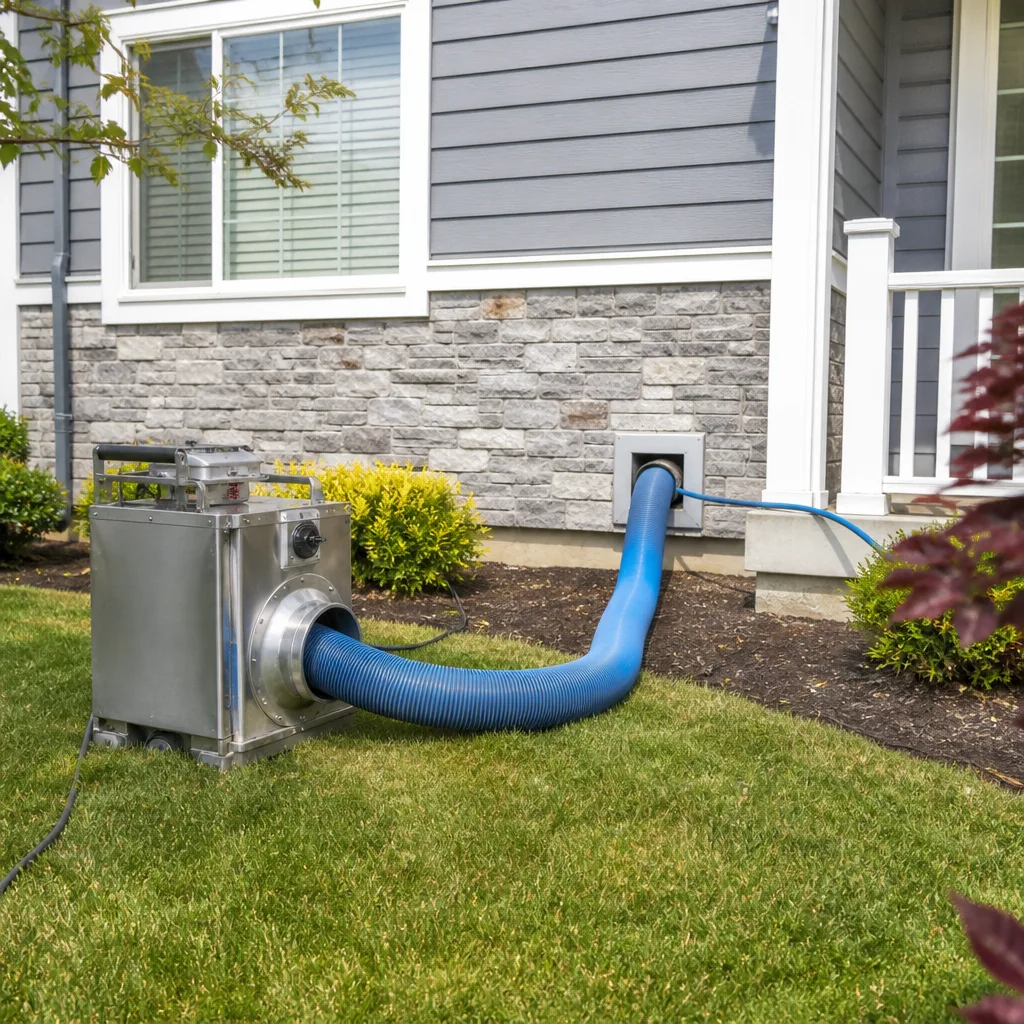 Whole-home duct cleaning
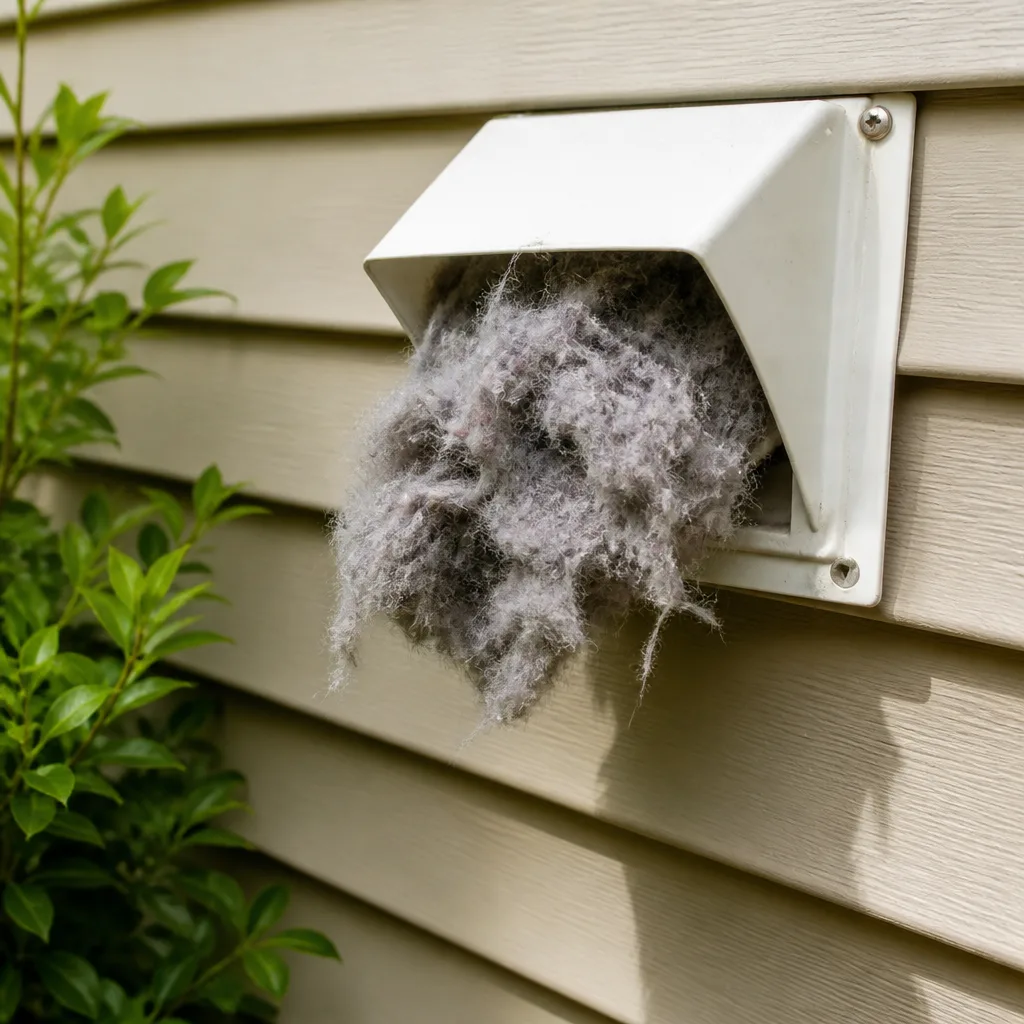 Dryer vent cleaning
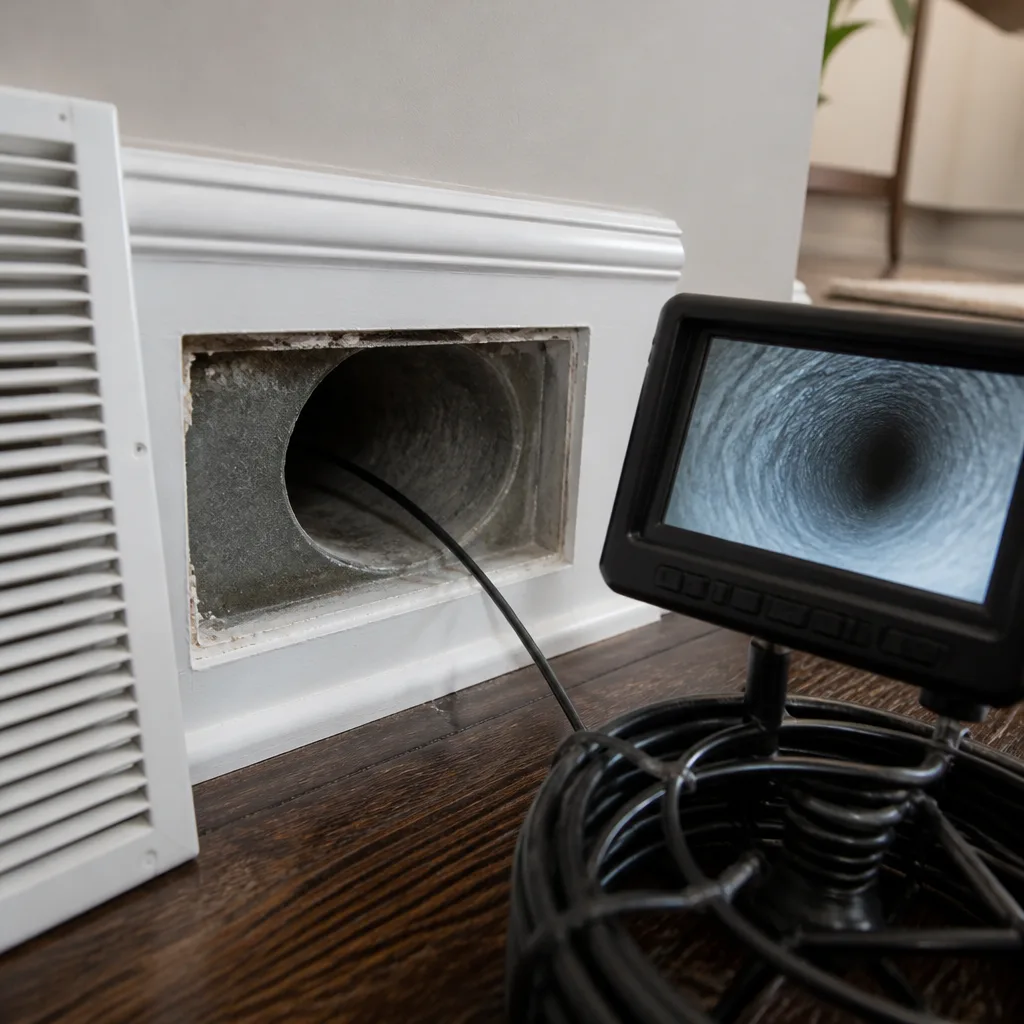 Camera inspection
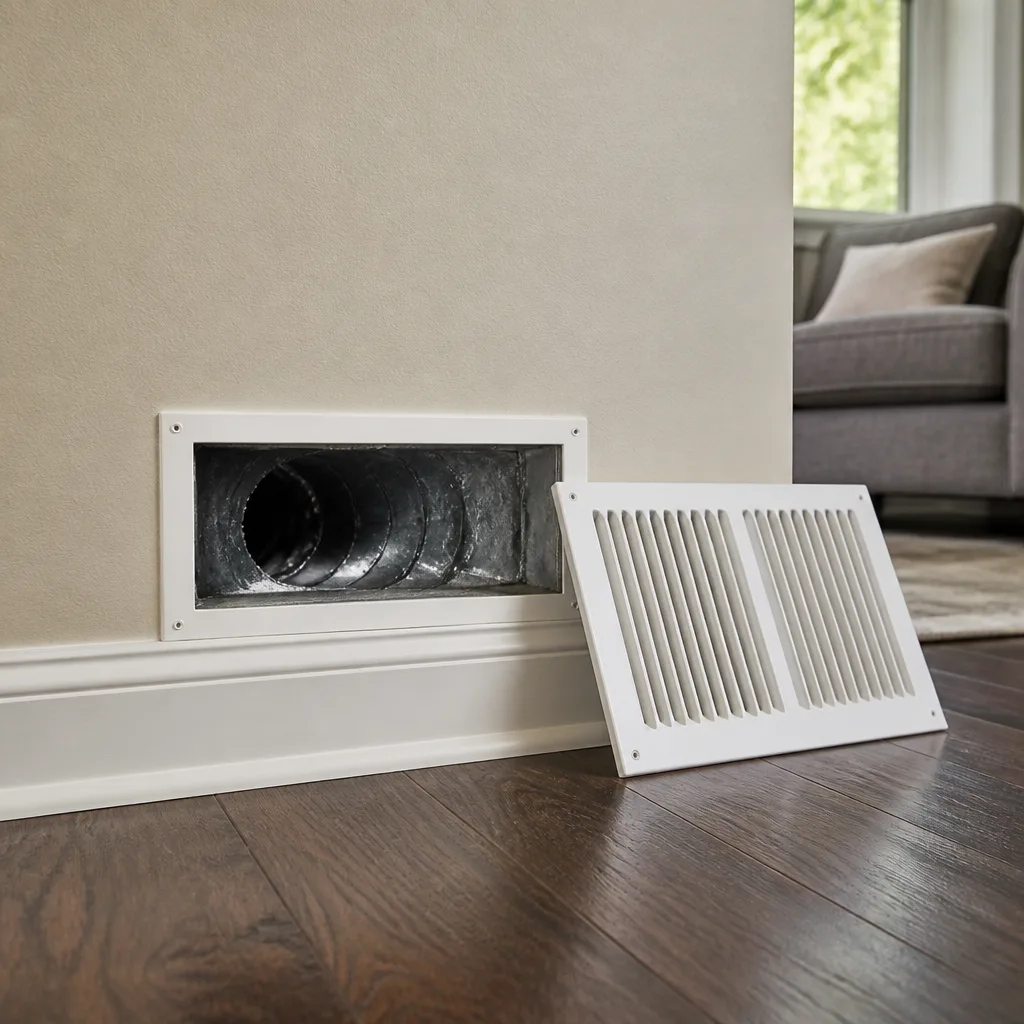 Sanitizing & deodorizing
Whole-system duct and dryer vent check with before-and-after photos - you see exactly what came out of your vents
That "$99 whole-house special" is a bait ad - the real number appears once they are in your hallway, or the "clean" is a shop-vac at the register. We photograph the inside of your ducts before and after instead.
Air Duct Cleaning Emergency Preparedness Guide for Anaheim Hills Homes
Most homeowners think about ductwork only when something smells off. When it comes to wildfire season in the Anaheim Hills foothills, that timing is backward. The duct system is the one part of your house that inhales whatever is outside and spreads it to every room, and the worst time to notice it has been neglected is while ash is settling on the roof. This guide is about the work that happens before a fire event, the decisions that matter during one, and the assessment that should follow. We’ll cover filter choices, sealing priorities, what a real post-smoke inspection looks like, and how to document contamination for an insurance claim. None of it is dramatic. All of it is practical.
Quick Answer
Preparing your ducts for a wildfire emergency in Anaheim Hills means three things: upgrading to a high-MERV filter and sealing obvious duct leaks before fire season, shutting the system down and closing fresh-air intakes during an active smoke event, and commissioning a documented post-event inspection if your home took in smoke or ash. Standard duct cleaning and post-smoke remediation are not the same job. The second one has to account for combustion particulate that has settled into the system, and it needs equipment built to capture fine particles rather than just knock loose dust free.
Styles & brands we work with
- Whole-home duct cleaning
- Dryer vent cleaning
- Camera inspection
- Sanitizing & deodorizing
Table of Contents
- Why Anaheim Hills Homes Face a Different Duct Problem
- Pre-Fire-Season Preparation: What to Do Before a Smoke Event
- During an Active Smoke or Fire Event: HVAC Protocols
- Post-Event Assessment: What a Real Inspection Includes
- Equipment Differences: Standard Cleaning vs. Post-Smoke Remediation
- Documenting Duct Contamination for Insurance
- Repair and Sealing: Closing the Gap After the Smoke Clears
- Filters, Sanitizing, and What Actually Helps Your Air
Why Anaheim Hills Homes Face a Different Duct Problem
Anaheim Hills sits along a foothill corridor where chaparral, canyon winds, and residential development meet. That geography is beautiful and it is also the reason the area shows up on fire weather watch maps year after year. When a wind-driven fire burns in the surrounding hills, the smoke doesn’t just pass overhead. It settles. It gets pulled into attics through ridge vents and gable vents. It finds its way into garages through weatherstripping gaps. And it enters the HVAC system through the return air path, which is drawing from inside the house, pulling air across a filter that may be three months past due.
Homes in Anaheim Hills tend to be built into slopes, which means many have duct runs in the attic that extend a long distance from the air handler. Long runs mean more joints. More joints mean more opportunities for small leaks that leak supply air into the attic and, during a smoke event, pull smoke-laden air back into the system. This is one of the reasons a standard cleaning visit that only brushes the visible parts of the ducts won’t address the real issue. The pathway is the problem, not just the interior surface. Sealing and cleaning together make a bigger difference than cleaning alone, and a post-event assessment should evaluate both.
Pre-Fire-Season Preparation: What to Do Before a Smoke Event
The most effective time to prepare a duct system for fire season is in the weeks before fire weather becomes likely, which in Anaheim Hills generally means late spring and early summer. Doing this work before an event means your system is already positioned to perform when you need it. It also means the work itself isn’t being done during a period of active smoke, when scheduling and air quality are both compromised. Here’s what a pre-season preparation typically involves:
- Filter upgrade. Replace the current filter with a high-MERV pleated filter, sized correctly for the air handler. The goal is a filter that captures fine particulate without choking airflow. Your HVAC contractor can tell you the maximum MERV rating your system can handle without dropping static pressure.
- Return air path inspection. The return plenum, filter grille, and any return ducts in the attic should be visually inspected for gaps, disconnected sections, and deteriorated tape or mastic. These are the entry points for smoke in a wind event.
- Supply duct leakage check. Ask for a visual inspection of accessible supply runs in the attic. Look for separated joints, sagging flex duct, and any runs where the inner liner has collapsed.
- Sealing priorities. Mastic or foil tape on accessible joints in attics and garages, weatherstripping around attic hatch doors, and sealing of penetrations where ductwork passes through framing.
- Air intake review. Confirm where fresh-air intakes draw from and whether they can be closed or dampered during a smoke event. If the system has a fresh-air economizer, know how to shut it off before you need to.
- Documentation baseline. Take photos of the accessible ductwork, filter, and air handler before fire season. A baseline record makes an insurance claim after a smoke event much cleaner.
These steps are not a substitute for professional preparation if the system shows significant leakage or contamination. If a pre-season inspection turns up visible dust build-up, disconnected runs, or rodent activity in the attic ducts, that’s a sign it’s time to schedule a full cleaning and inspection. If you’re already seeing evidence of build-up, our team handles air duct cleaning for Anaheim Hills homes and can walk through what a professional cleaning visit includes.
During an Active Smoke or Fire Event: HVAC Protocols
When a fire is burning in the hills and smoke is filling the air over Anaheim Hills, the single most common mistake is to keep the HVAC system running as usual. That instinct comes from a reasonable place. You want air moving. But a typical residential HVAC system doesn’t filter outdoor smoke well, and running it can actively distribute combustion particulate through the house. Here’s what to do instead, in order:
- Shut the system off. Turn off the thermostat and the air handler. If your system has a fresh-air intake or economizer, close it.
- Close windows and exterior doors. This is obvious but worth stating. Seal gaps under doors with a towel if you can see daylight.
- Use recirculation mode on portable units. If you’re running a portable air purifier or window unit, set it to recirculate rather than draw outdoor air.
- Do not run bathroom or kitchen exhaust fans. These pull air out of the house, which means outdoor smoke gets pulled in to replace it. In a smoke event, negative pressure inside the home is the enemy.
- Wait for the air to clear before restarting. The right time to turn the HVAC system back on is when outdoor air quality has returned to a reasonable level. Restarting while the air is still heavy just re-contaminates the system.
What recirculation mode actually does, in plain terms, is close the outdoor air damper so the system only cycles air that’s already inside. That’s what you want during a smoke event. It doesn’t make indoor air clean, but it prevents the system from introducing new smoke and it keeps the duct system from pulling in particulate through leaks. Understanding this one setting is one of the smallest preparations that makes the biggest difference.
In our experience across Anaheim Hills, many homeowners don’t realize they have a fresh-air intake until we point it out. If you’re not sure, have someone identify it before fire season rather than during one.
Post-Event Assessment: What a Real Inspection Includes
Once the smoke clears and the evacuation orders lift, the question becomes: did the house take in enough smoke to matter? The honest answer is that you can’t tell from the living room. A credible post-event assessment is different from a standard cleaning visit in several specific ways, and knowing what to expect helps you evaluate any company you call.
A real post-smoke inspection includes, at minimum:
- Visual inspection of the return plenum and filter area. Look for fine grey or black particulate on surfaces, not just visible dust. Combustion particulate settles differently than household dust.
- Inspection of accessible supply ducts in the attic and crawl spaces. Check for staining, particulate accumulation, and any indication that smoke entered the attic and found its way into duct runs.
- HVAC unit inspection. The air handler cabinet, blower wheel, and evaporator coil area are where a lot of smoke particulate collects first. A cleaning that skips the unit and only touches the visible vents is incomplete.
- Odor assessment. Smoke odor that persists after a week of normal operation is a sign the system still holds contamination. Odor in the ductwork from combustion events has a characteristic smell that’s distinct from general mustiness.
- Documentation. Photos and a written report of what was found, before any cleaning begins. This is your evidence if you’re filing an insurance claim.
- Written scope and flat price per system. A legitimate post-event assessment results in a written scope and one flat price for the whole system, not a per-vent count. If the quote changes once the technician is on site, that’s a warning sign.
The difference matters because a standard cleaning visit is designed to remove ordinary dust and debris. Post-event work has to address fine combustion particulate, which means different equipment and a different process. For property managers overseeing multiple units in Anaheim Hills, we recommend documenting every unit’s condition before and after any post-event work, so the record is consistent across the portfolio.
Equipment Differences: Standard Cleaning vs. Post-Smoke Remediation
The reason a post-event job is not a standard cleaning job comes down to what’s being removed. Standard household dust is relatively coarse. Combustion particulate from a wildfire is fine enough to stay airborne for hours and to settle into places a shop vacuum can’t reach. The equipment matters, which is why we name ours instead of leaving it vague. We use the Rotobrush rotary-brush system for the mechanical cleaning inside duct runs, and Nikro HVAC cleaning equipment for the air handler and plenum areas. Both are professional-grade tools, not consumer vacuums. But for post-smoke work, the critical piece is the use of Abatement Technologies negative-air and air-scrubbing equipment.
That equipment comes from remediation work. It creates negative pressure in the work area so fine particulate doesn’t migrate into the living space while the system is being cleaned, and it filters the return air continuously through HEPA-grade media. The difference between running a standard cleaning and running a negative-air remediation is the difference between removing visible material and capturing what you can’t see. For a post-fire-smoke event, that distinction is the whole job.
We pair cleaning with Guardsman protective treatments as part of the sanitizing step. That step addresses odors and biological contamination that mechanical brushing alone won’t resolve. The goal isn’t to make a claim about health outcomes. The goal is to remove what can be removed, capture what shouldn’t be spread, and verify the result with photos before and after the work. That’s a standard we hold to for every HVAC cleaning job, not only post-event calls.
Documenting Duct Contamination for Insurance
If a fire event in Anaheim Hills results in smoke or ash infiltration of the duct system, and the damage is significant enough to warrant professional remediation, the quality of your documentation determines how smoothly an insurance claim goes. Insurers respond to evidence, not narratives. Here’s what to collect:
- Dates and timeline. Record the dates of the fire event, the evacuation period, and when you first noticed smoke odor or visible ash inside the home.
- Before-and-after photos. Any company you hire should photograph the ducts before cleaning and again after. Request copies of both sets.
- Written inspection report. The report should describe what was found and where, and identify specific components (return plenum, air handler, specific duct runs).
- Written scope of remediation. A document that says exactly what was done, with what equipment, and how much it cost per system.
- Any air quality samples taken. If a third-party air quality test was performed by a separate firm, keep those results with the remediation records.
- Filter and consumable receipts. Filters and sanitizing products used during the work are part of the claim.
We recommend requesting before-and-after photos as part of any remediation contract. A company that won’t provide them is telling you something. Photograph your own home’s interior on the day you return from evacuation as well. Those photos establish the baseline of what the interior looked like when you came back, which is useful context for the insurer.
Repair and Sealing: Closing the Gap After the Smoke Clears
Once a post-event cleaning is done, the next step most homeowners skip is repair and sealing. It’s the step that determines whether the system stays clean. Cleaning a duct system that leaks is like cleaning a room with the window open. In Anaheim Hills, where attic duct runs are common and long, the opportunities for leakage are real. Sealing addresses them.
Duct repair and sealing services close gaps at accessible joints, reconnect separated flex duct runs, replace deteriorating tape and mastic, and seal air handler cabinet penetrations and plenum connections. The result is a duct system that holds pressure better, which means less infiltration of outdoor air during future smoke events, less energy wasted pushing conditioned air into an attic, and a filter that performs closer to its rating because it isn’t bypassed by leaks around the housing.
We treat repair and sealing as a natural extension of the cleaning visit because it closes the loop. Mechanical cleaning removes what’s there. Sealing determines how much comes back. If a system has visible leakage after a smoke event, that’s the moment to address it, not a year later when the next fire season begins. Pairing this with dryer vent cleaning during the same visit is a common approach, since both are about airflow safety and both are handled by the same crew.
We don’t offer dryer vent work as an add-on pitch. It’s one of our core service categories because a clogged dryer vent is a fire risk in any home, and fire season is a good time to address every fire-related duct system in the house at once.
Filters, Sanitizing, and What Actually Helps Your Air
Filter selection is the single most misunderstood part of preparing a duct system for smoke season. Higher MERV is not always better. A filter that’s too restrictive for the system drops airflow, strains the blower, and can cause the evaporator coil to freeze. The right filter is the highest MERV rating the system can handle without exceeding its rated static pressure. Your HVAC contractor can confirm this. A filter that’s oversized for the housing and bypasses around the edges is also a problem, so fit matters as much as rating.
What helps after a smoke event:
- Fresh filter, correctly rated. Replace the filter after any significant smoke event, even if it looks only slightly discolored. Fine particulate loads a filter faster than visible dust.
- Sanitizing treatment. A sanitizing service using products from Honeywell, Aprilaire, and Guardsman addressed biological contaminants and odors that mechanical cleaning leaves behind. This is a distinct service from cleaning, not an upsell disguised as one.
- Air scrubbing during remediation. Continuous HEPA filtration from Abatement Technologies running during the cleaning prevents cross-contamination of the living space.
- Verification. Before-and-after photos and a written report confirm what was done. Without that, you’re trusting a claim, not verifying a result.
What doesn’t help nearly as much: scented products meant to mask odor, “duct sanitizing” sprays that don’t reach the interior of the ducts, and low-end cleaning equipment that spreads more particulate than it captures. The brand names above are on this list because they’re the tools the remediation and HVAC trades actually specify, not because the label makes a difference on its own.
Common Mistakes to Avoid
- Keeping the HVAC system running during a smoke event. This is the most common mistake we see in Anaheim Hills. Running the system pulls outdoor smoke into the house through the return air path and distributes particulate to every room.
- Relying on a standard cleaning visit after a fire. Standard cleaning removes ordinary dust. Post-event work needs negative-air equipment and different process steps. Asking a company whether they use HEPA filtration during a post-smoke job tells you a lot.
- Skipping the pre-season filter change. A filter that’s three months overdue when fire season begins isn’t going to perform under smoke load. Change it before fire weather, not after the ash arrives.
- Ignoring small duct leaks. A separated joint in an attic duct run is a small thing most of the year. It becomes a smoke entry point when wind is pushing embers and particulate against the house. Sealing is the cheapest preparation available.
- Not documenting the “before.” Without dated photos and a baseline record of the system’s condition, an insurance claim is an argument. With them, it’s a file.
- Accepting a per-vent quote for a system-level job. Post-event remediation is whole-system work. A per-vent price doesn’t fit how the equipment actually runs, and it invites a bait-and-switch once the technician is on site.
- Assuming odor equals safety. Smoke odor can linger after the air itself is clean, and a lack of odor doesn’t prove residual particulate is gone. Only an inspection answers that.
See the difference
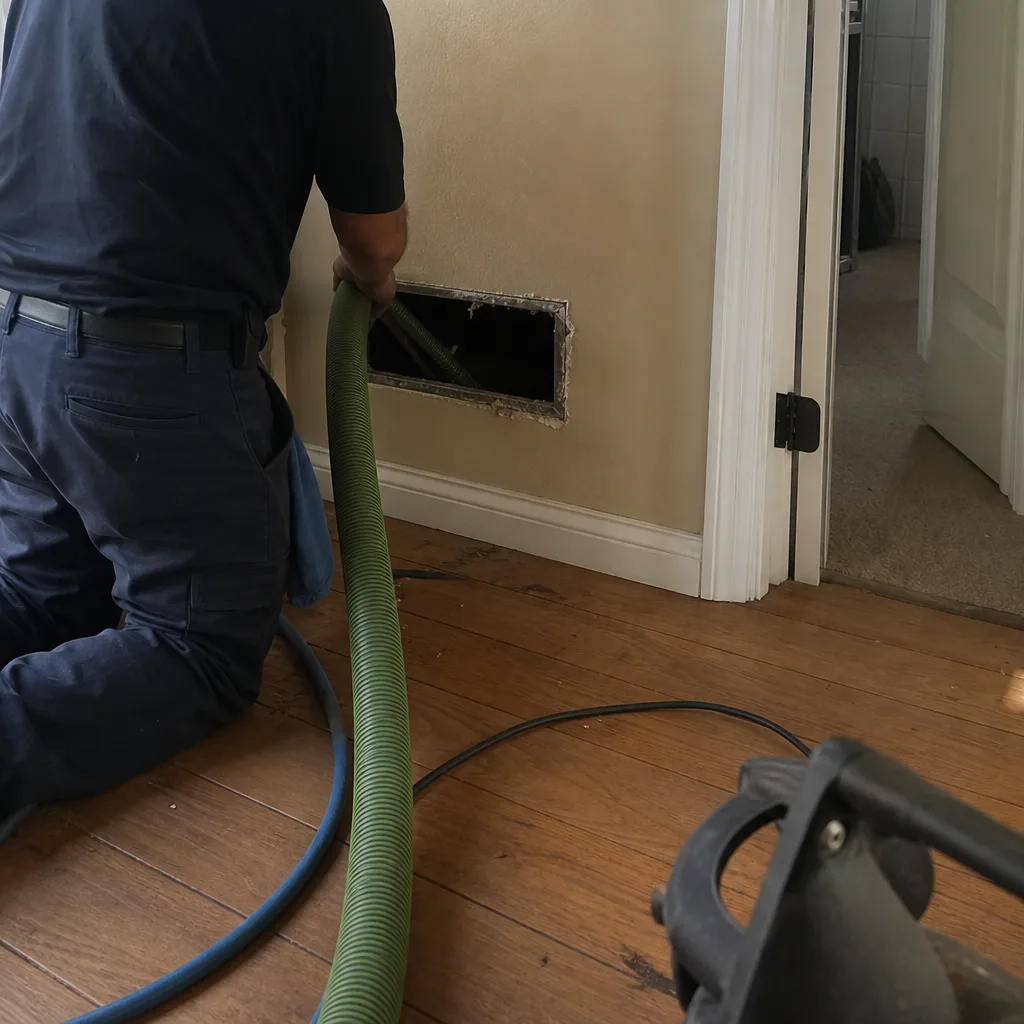 Before
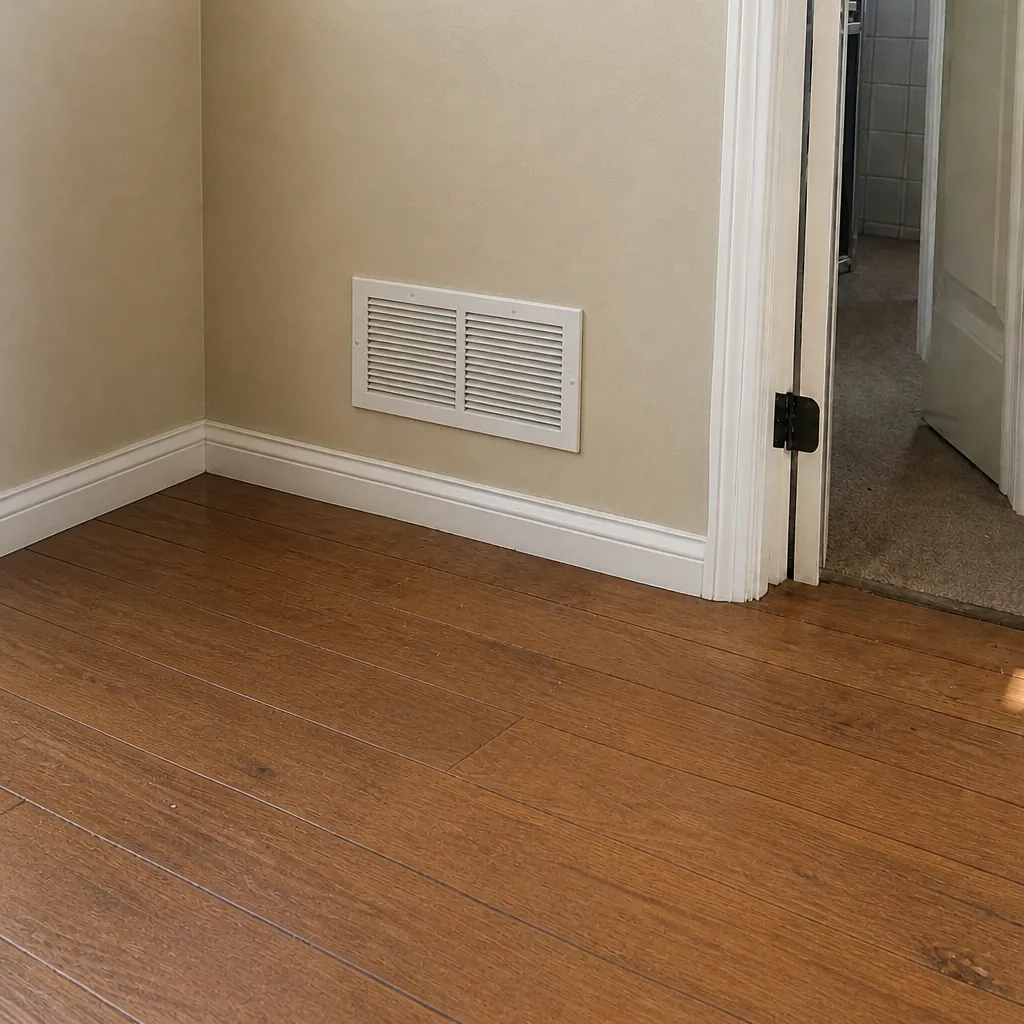 After
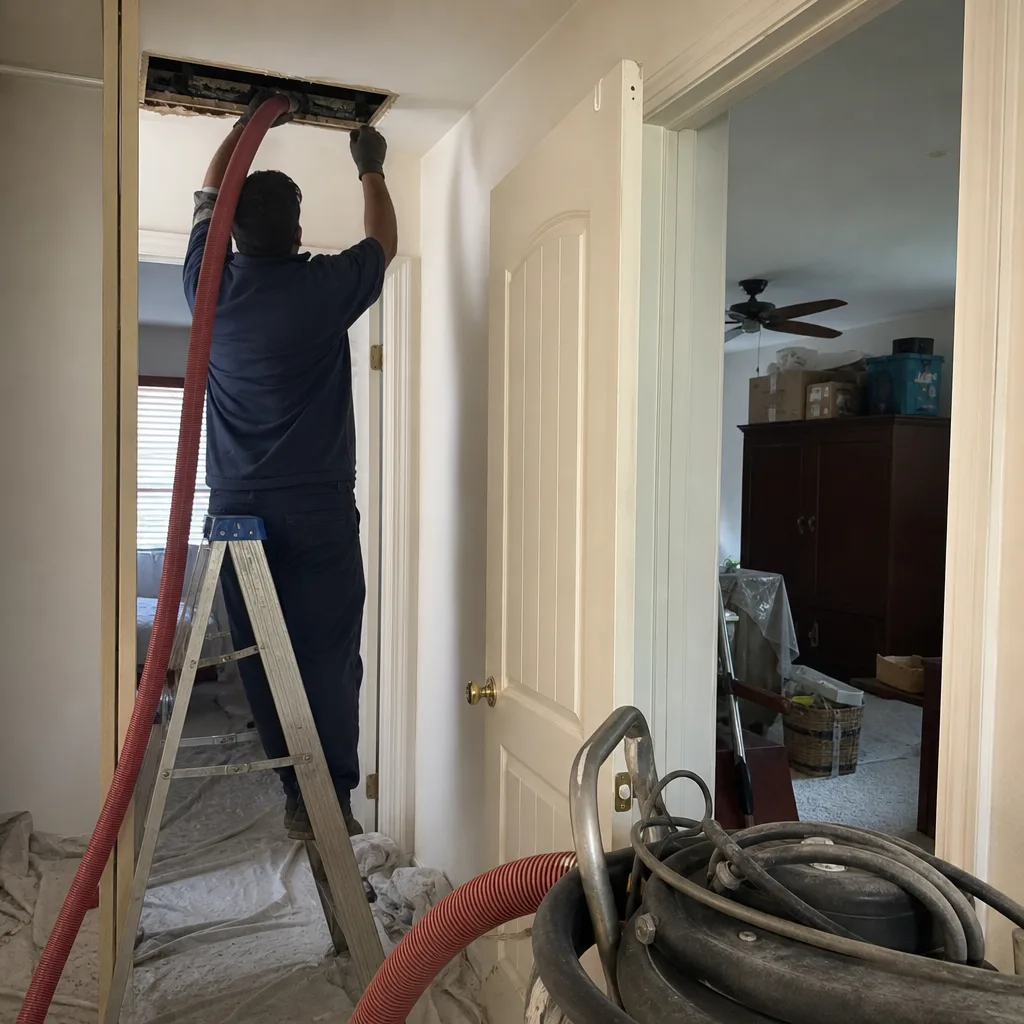 Before
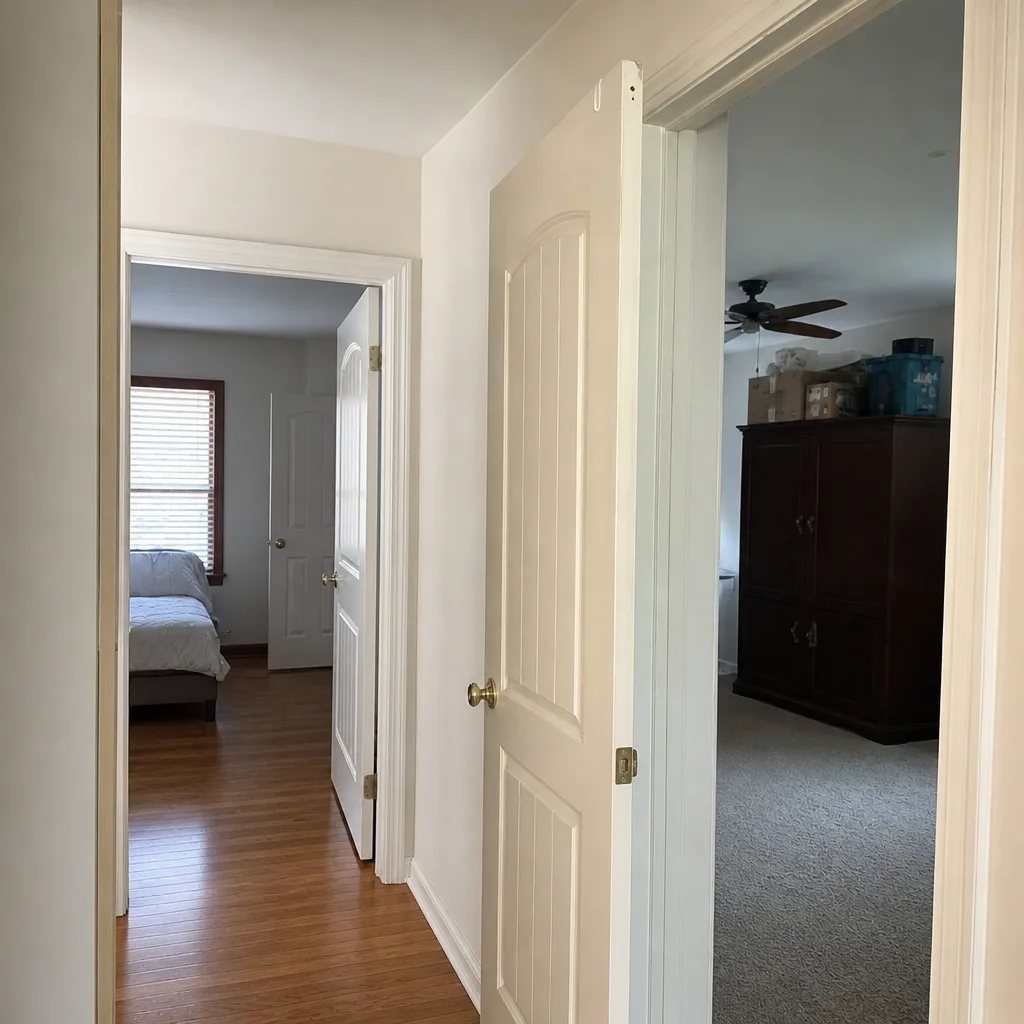 After
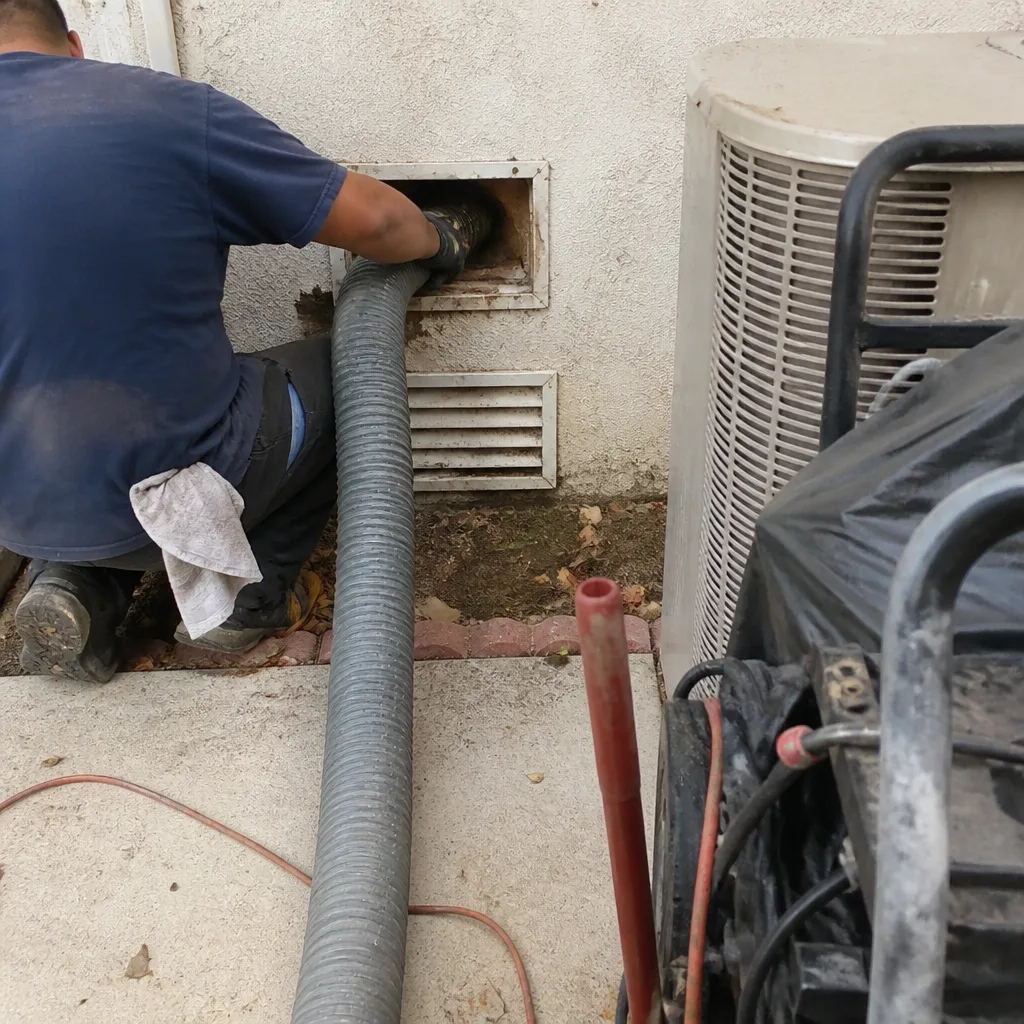 Before
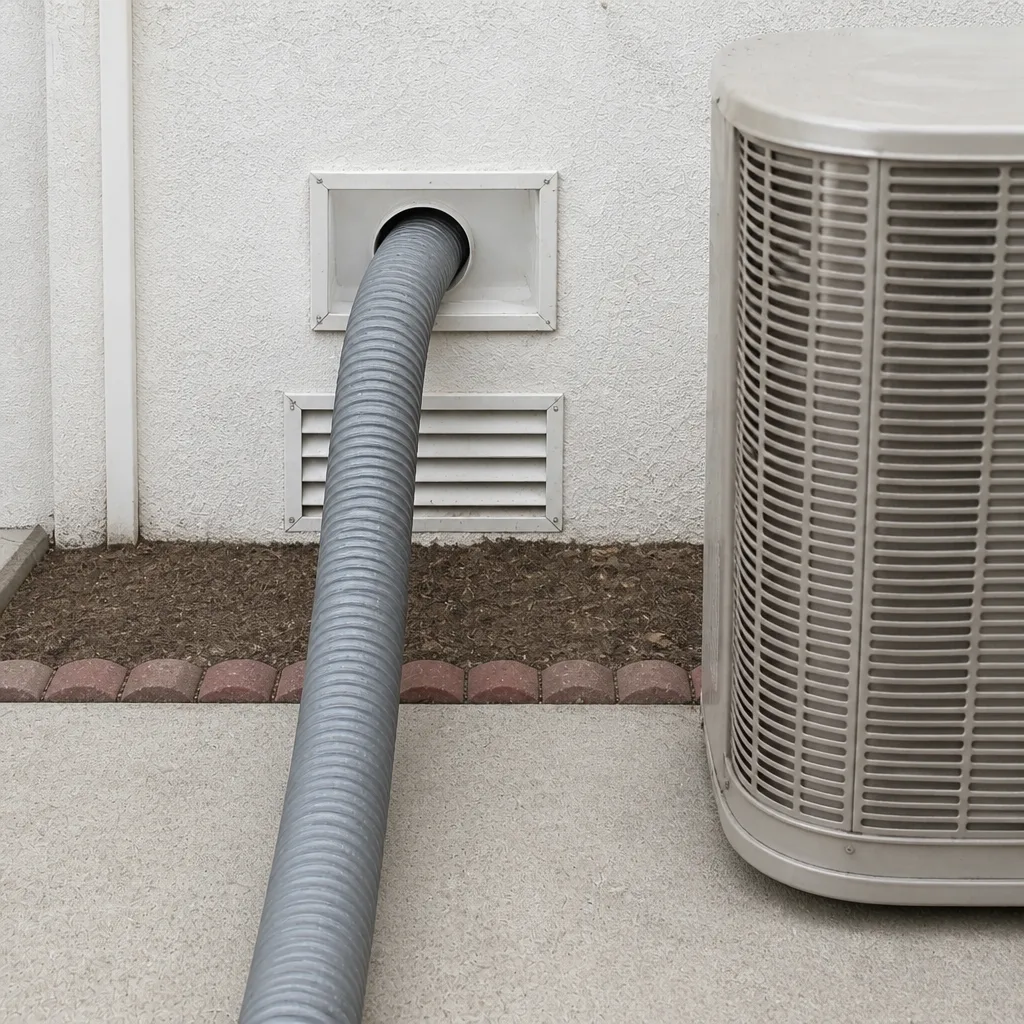 After
When to Call a Professional
Call a professional if you returned from an evacuation and the home still smells of smoke after a week of normal operation, if you can see ash or fine grey particulate on registers or inside the return grille, if the air handler cabinet shows staining, or if you’re a property manager who needs documented condition reports for a portfolio of Anaheim Hills units. Call also if your pre-season inspection turns up separated duct runs, rodent evidence, or visible build-up in the attic ducts. None of these are emergencies, but they are the kind of thing that should be addressed before the next fire season, not during it. Air Duct Cleaning Anaheim Hills offers free estimates in Anaheim Hills. Call (855) 526-8990. We answer 24/7. Fast dispatch from 7am to 7pm, Sunday through Friday.
One flat price per system, agreed before work starts. Before-and-after photos so you can verify the result. A written scope for your records. That’s the standard we hold to for every job in Anaheim Hills, whether it’s a post-event assessment or a routine cleaning.
Frequently Asked Questions
Typical whole-system air duct cleaning in Anaheim Hills runs in the low-to-mid three figures per system, with the final price set by a written estimate after the technician inspects the system. Post-event remediation involving HEPA filtration and negative-air equipment sits at the higher end because it takes longer and uses more specialized equipment. The written estimate always sets the final price, and it doesn’t change once the technician is on site. Call (855) 526-8990 for an exact quote. Estimates are free.
Cheaper quotes usually reflect a standard cleaning visit that hasn’t been adapted for combustion particulate. That means no negative-air equipment, no HEPA filtration, and often a per-vent price that bears no relation to how the system is actually cleaned. Ask two questions of any company: what equipment are you running during the work, and will you provide before-and-after photos? The answer tells you whether the quote is a real remediation or a quick-clean dressed up as one. Call (855) 526-8990 if you’d like a straight comparison.
Before-and-after photos of your own duct system, taken by the company during the job and provided to you afterward, are the most reliable evidence. A written report describing what was found and what was done, along with a record of the equipment used, gives you a paper trail. If a company doesn’t offer photos as a standard part of the job, that’s a signal. Call (855) 526-8990 to schedule a visit with photographic documentation included.
No. Shut the system off during an active smoke event in Anaheim Hills and close any fresh-air intake. Running the system during heavy smoke pulls outdoor air through the return path and distributes particulate throughout the house. Restart it once outdoor air quality returns to a reasonable level, ideally with a fresh filter installed. Call (855) 526-8990 if you’re not sure whether your system has a fresh-air intake, or if you want an inspection after a smoke event.
For most Anaheim Hills homes, a professional cleaning every three to five years is reasonable, with more frequent cleaning in the months after a smoke event or after a renovation. Homes with pets or anyone in the household with respiratory sensitivity may want to shorten that interval. A visual inspection is cheap and tells you more than a guess. Call (855) 526-8990 to schedule one.
Not necessarily. Some homes come through a fire event with no meaningful smoke infiltration, especially if the HVAC system was shut down and the windows stayed closed. But odor isn’t a reliable test either way. A short inspection of the return plenum, filter, and accessible ducts will tell you whether remediation is warranted. Call (855) 526-8990 to book one.
The Bottom Line
Emergency preparedness in Anaheim Hills includes the HVAC system, and most homeowners don’t think of it that way until smoke is already in the house. Do the pre-season work: upgrade the filter, seal the obvious leaks, install a fresh filter before fire season, and know how to shut down your system and close any fresh-air intake. During a fire event, turn the HVAC off. After one, get a documented assessment before assuming the house is clean. If remediation is warranted, insist on negative-air HEPA equipment, one flat price per system agreed in advance, and before-and-after photos. That’s what a real post-event job looks like. For more on routine service, see the team at Air Duct Cleaning Anaheim Hills. Call (855) 526-8990. We answer 24/7. Fast dispatch from 7am to 7pm, Sunday through Friday.
Written by the team at Air Duct Cleaning Anaheim Hills.