
Last updated November 24, 2026
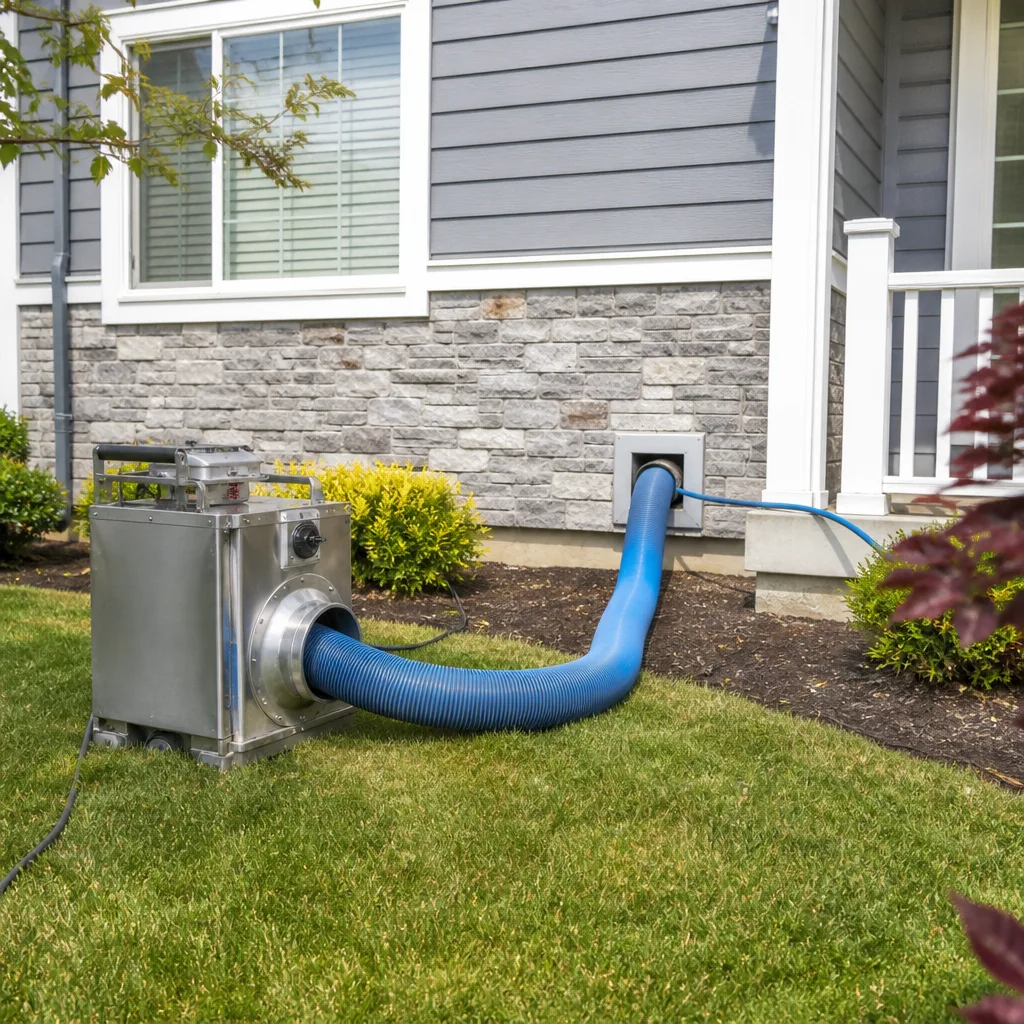 Whole-home duct cleaning
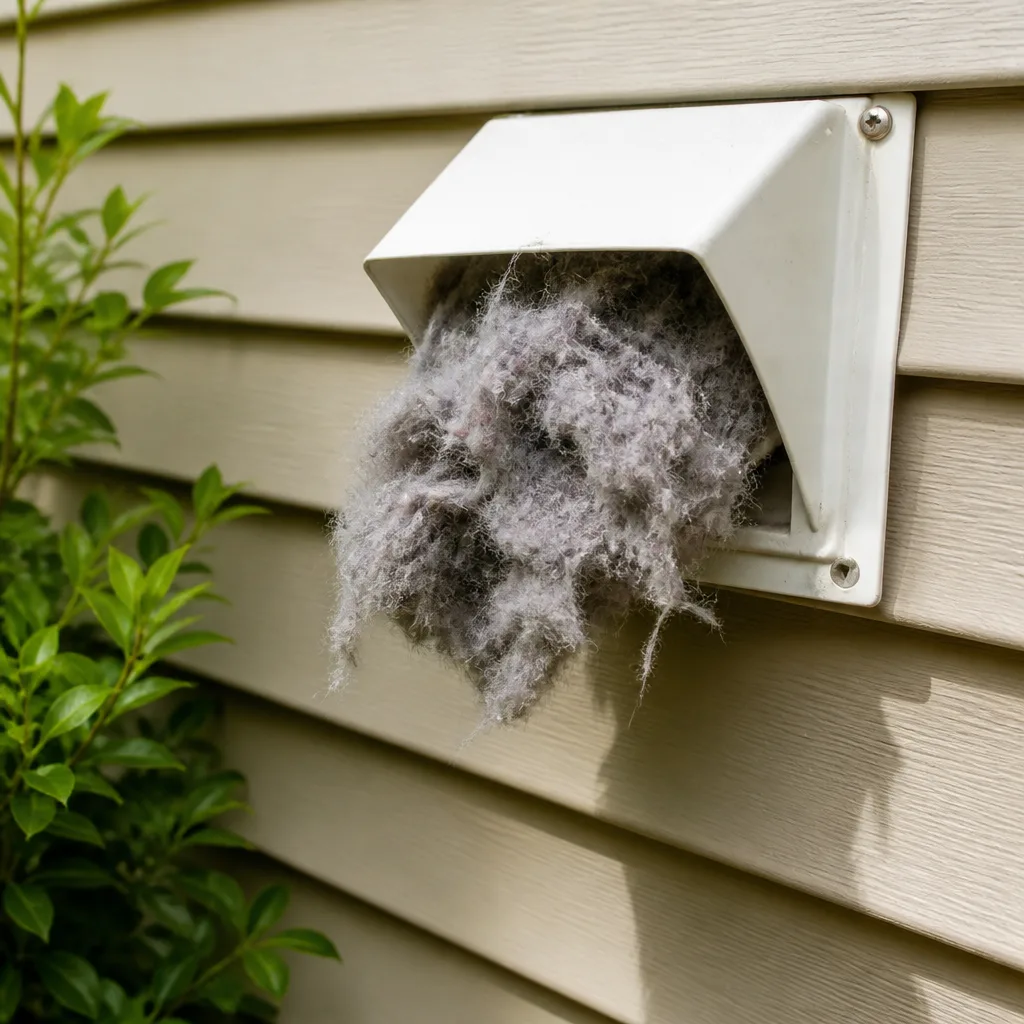 Dryer vent cleaning
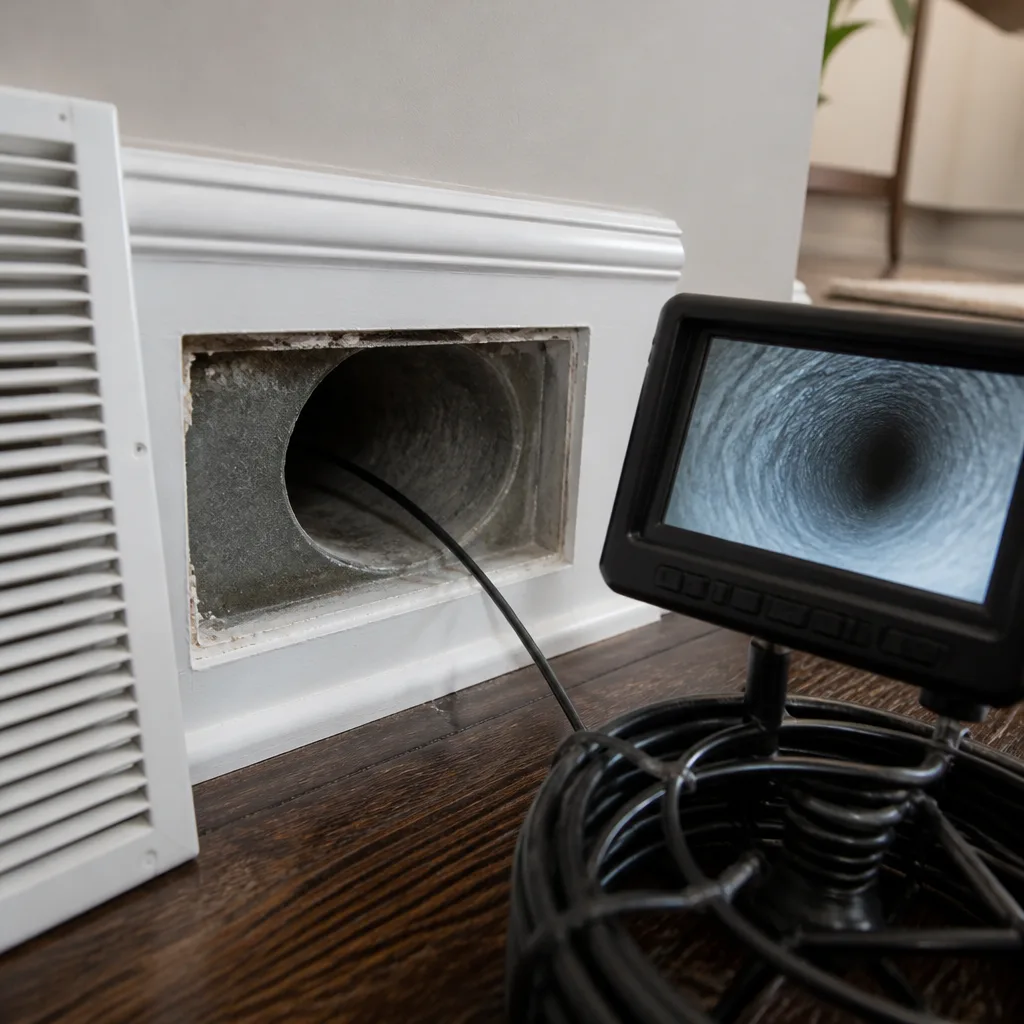 Camera inspection
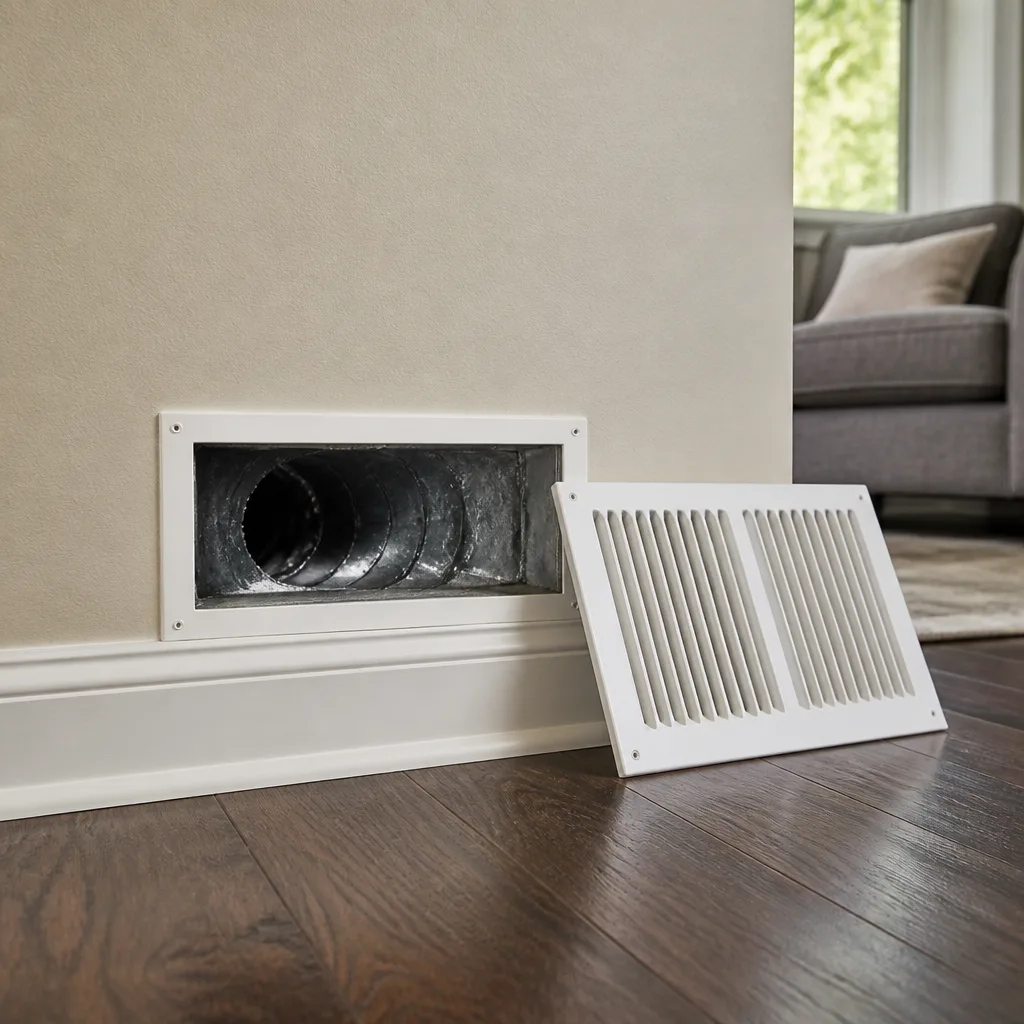 Sanitizing & deodorizing
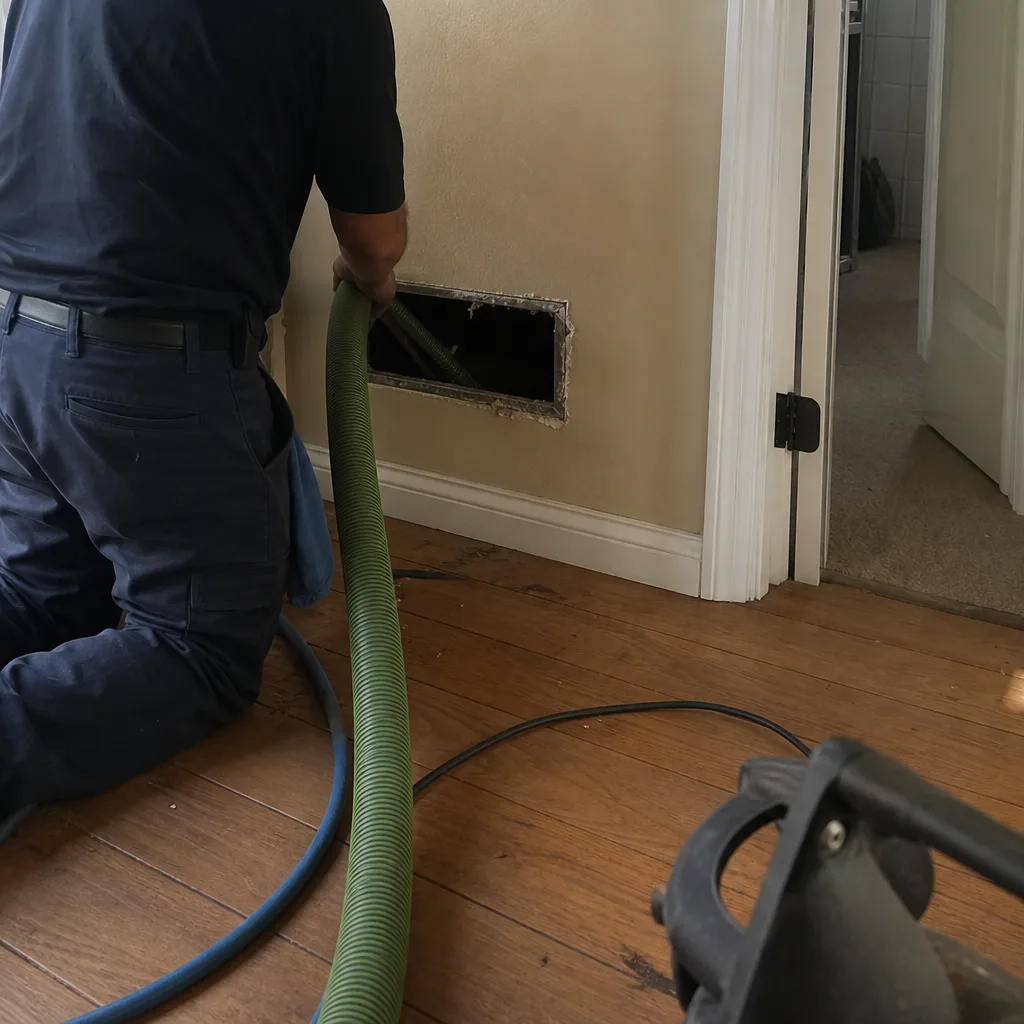
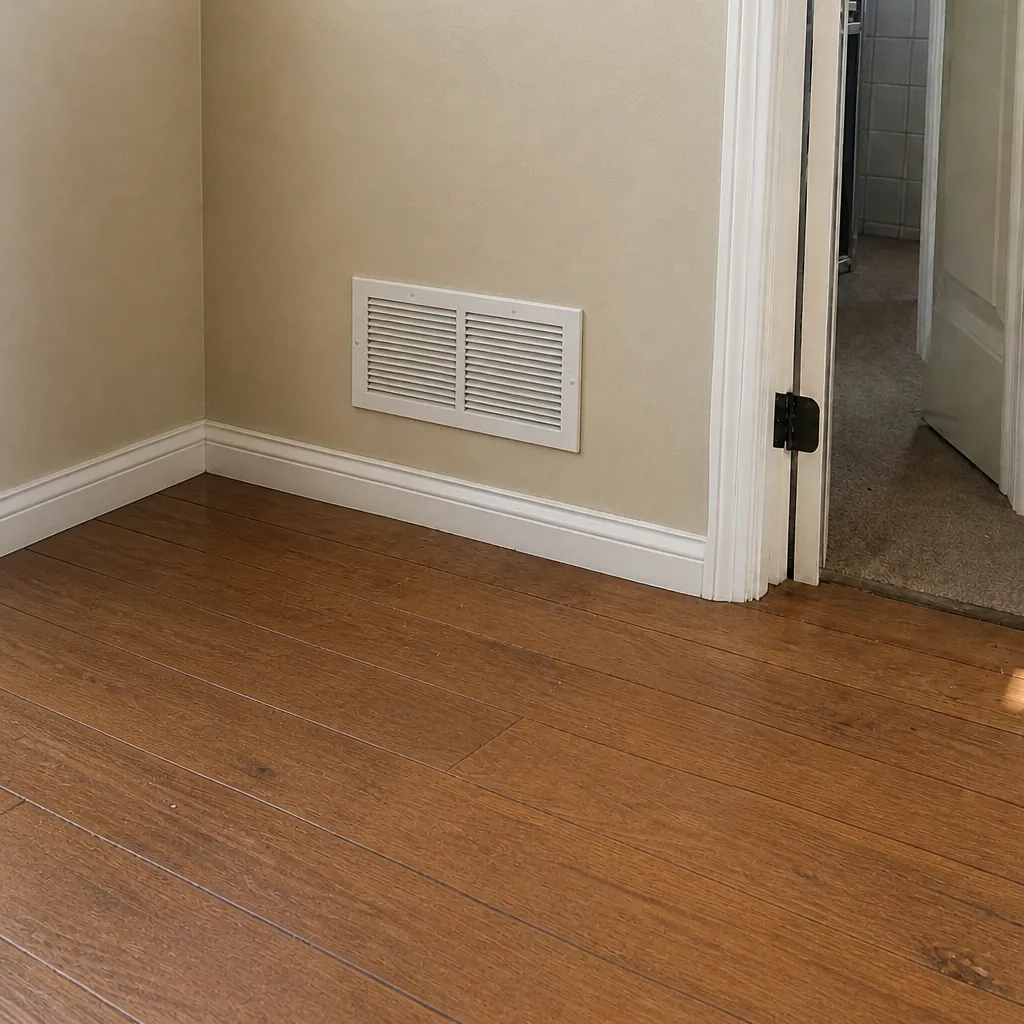
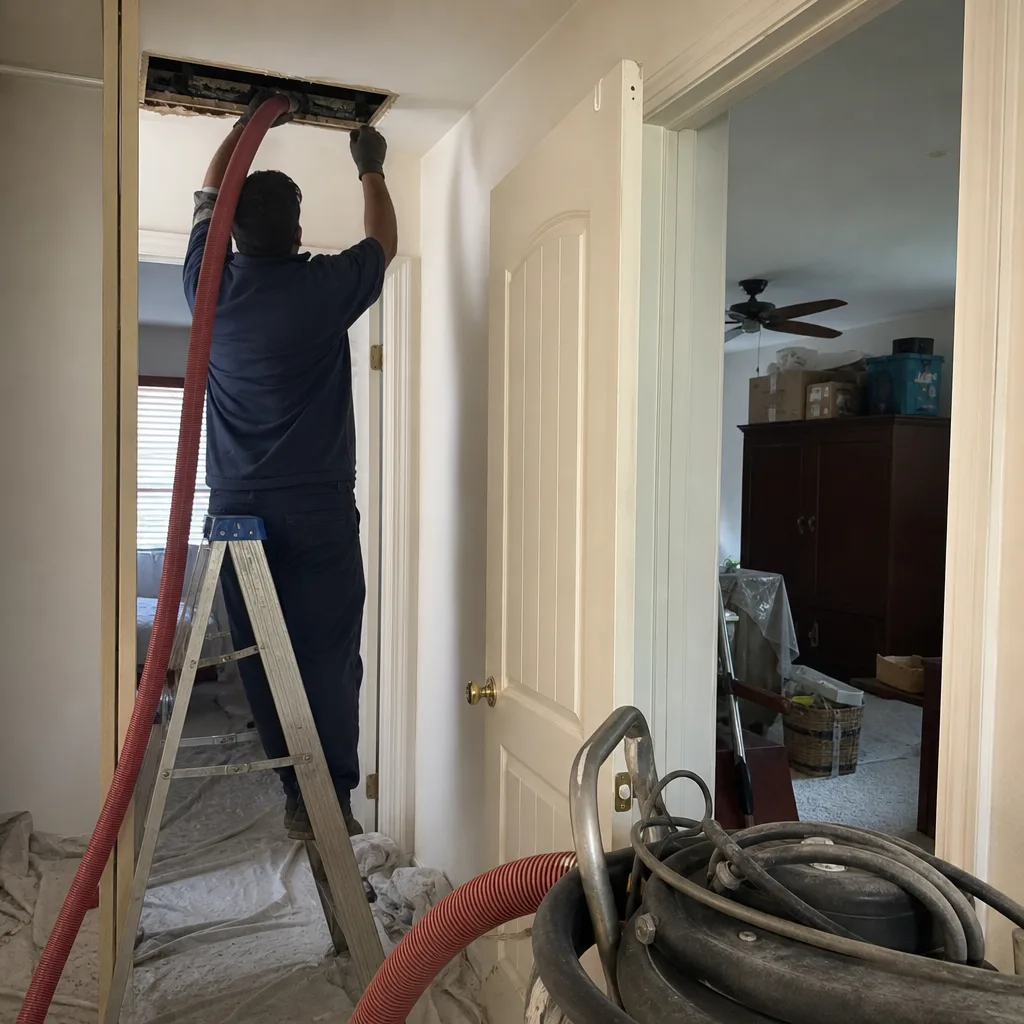
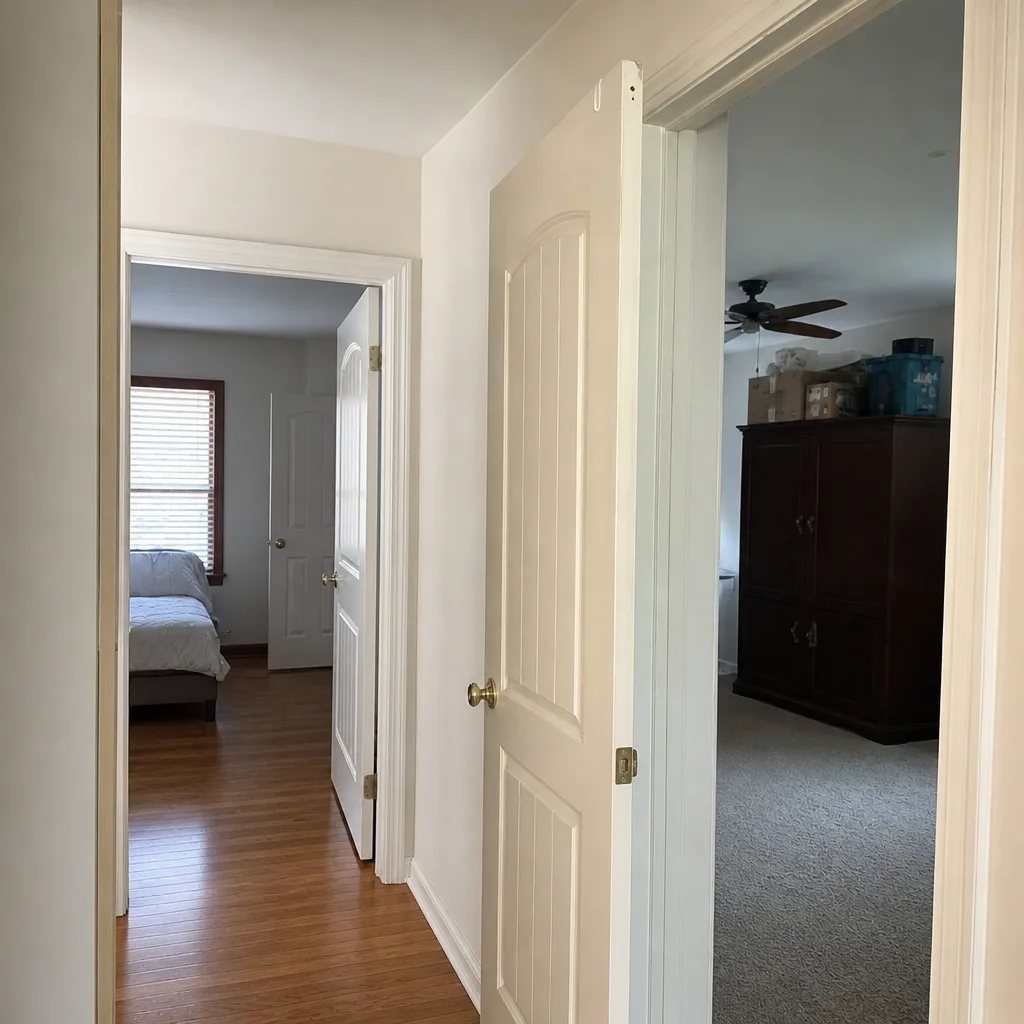
Whole-system duct and dryer vent check with before-and-after photos - you see exactly what came out of your vents
That "$99 whole-house special" is a bait ad - the real number appears once they are in your hallway, or the "clean" is a shop-vac at the register. We photograph the inside of your ducts before and after instead.
Air Duct Cleaning Permits, Codes & Inspections in Anaheim Hills, CA: What You Need to Know
Most people assume duct work lives outside the building code. You hire someone, they run a big vacuum through the vents, and it’s done. That holds for cleaning. It stops the moment a technician cuts into a duct, replaces a collapsed section, or seals joints with mastic. In California, that work can fall under mechanical code and may require a permit from the city. Few homeowners in Anaheim Hills hear that until they’re sitting across from a buyer’s inspector seven years later. This guide draws the line clearly: what’s cleaning, what’s repair, what needs a permit, how Anaheim and Orange County handle mechanical permits, and what to ask before any contractor touches your ductwork.
Quick Answer
Routine air duct cleaning in Anaheim Hills generally requires no permit. Removing debris from existing ductwork with professional equipment is maintenance, not construction. But if the job involves cutting, replacing, adding, or structurally sealing duct sections, California mechanical code may require a mechanical permit, and the City of Anaheim issues and inspects those permits. Cleaning is one thing. Repair and modification are another.
Styles & brands we work with
- Whole-home duct cleaning
- Dryer vent cleaning
- Camera inspection
- Sanitizing & deodorizing
Table of Contents
- What Needs a Permit in Anaheim Hills?
- How the City of Anaheim Handles Mechanical Permits
- Duct Sealing, Title 24, and the Compliance Track
- What to Ask a Contractor Before Any Repair
- How Unpermitted Duct Work Surfaces at Sale
- What an Inspection Actually Covers
What Needs a Permit in Anaheim Hills?
California’s Mechanical Code (CMC) governs duct systems. The relevant section is CMC 504, which addresses installation and the condition of ducts and plenums. It covers requirements for the duct system itself: how it’s constructed, how it’s sealed, how it’s supported. That section also underpins what inspectors look for when checking a permit. The code doesn’t say “cleaning requires a permit” and it doesn’t say “cleaning never requires one.” It addresses the physical duct system and how it’s built, installed, and modified. Cleaning, as a category, sits outside that scope.
So where’s the line? It’s at the first cut.
Here’s how we frame it in the field:
- Cleaning. Running rotary-brush and negative-air equipment through existing ductwork with no structural change. No permit. This includes the full run of supply and return ducts, dryer vents, and the air handler. Everything is removed, nothing is added or replaced.
- Repair. Patching a pinhole, re-taping loose connections, or re-attaching a fallen run. Borderline, but typically no permit when it’s simple maintenance on existing components.
- Modification. Cutting in a new tap, replacing a collapsed section, changing the routing, or adding a new branch. This is where a mechanical permit may be required, and where it’s worth calling the city before you start.
- Sealing. Mastic-sealing joints and connections to meet energy compliance. Whether a permit is needed depends on whether the sealing is considered a repair of existing ductwork or part of new construction and alteration. More on that below.
Anaheim Hills sits in the higher hills toward the east of Anaheim. Homes here see hot summer inland temperatures and dry air, which stresses flex duct and taped connections over time. Flex duct joints pull apart. Foil tape dries and releases. The canyon-edge neighborhoods often have attic duct runs baking at temperatures far above floor level. That’s the environment where collapsed sections and failed connections happen. And a failed connection isn’t a cleaning problem. It’s a repair problem, which brings us back to the permit question.
How the City of Anaheim Handles Mechanical Permits
The City of Anaheim Building Division issues mechanical permits for work performed within city limits. Anaheim Hills is part of Anaheim, so a mechanical permit for duct work in Anaheim Hills is filed with the City of Anaheim, and inspections are handled by the city, not the county. This is the practical detail that catches people out: Orange County as a whole has its own framework, but Anaheim is a full-service city with its own building department, and your permit runs through Anaheim.
The process works like this:
- Determine whether a permit is required. Call the City of Anaheim Building Division and describe the specific work in plain terms: what’s being replaced, where, and whether you’re altering the routing. Any nuanced scenario gets a straight answer quickly.
- Submit the application. For most residential duct repair and replacement, the contractor submits a mechanical permit application with a scope of work and, in some cases, a simple diagram of the affected area.
- Pay the fee. The fee is based on the permit type and value of work. We don’t quote permit fees here because they change and depend on your specific scope. Ask the Building Division when you call, or have your contractor give you the fee in writing before the work begins.
- Schedule the inspection. Once the work is complete, or at key stages, the city inspector visits. Duct work is often inspected at rough-in (before the attic is re-covered or the ceiling re-installed) and again at final.
- Get the sign-off. The inspector checks construction, connection integrity, support, and sealing against CMC requirements. A passed inspection creates a permit record that follows the property.
That permit record matters, and most homeowners only find out why at resale. In our experience, the biggest avoidable cost isn’t the permit fee itself. It’s discovering, seven years later, that a duct repair was done without a record, then tracking down the original contractor, filing a permit retroactively, and getting an inspector into an attic that’s now been re-insulated and painted. That’s a bigger headache than the fee.
Duct Sealing, Title 24, and the Compliance Track
Title 24 is California’s building energy efficiency standard. It governs how much duct system air leakage is allowed in new construction and in many alterations. Duct sealing is a real Title 24 requirement in many scenarios. But it’s a separate regulatory track from duct cleaning, and confusing the two creates problems.
Here’s the split to keep straight:
- Duct cleaning under the air quality track. The goal is contaminant removal. Dust, debris, and biological material come out. No permit, no Title 24 compliance documentation, no building inspection. This is the category where air duct cleaning typically lives.
- Duct sealing under the energy compliance track. The goal is leakage reduction to meet an energy standard. This can involve mastic sealing, foil-tape sealing, or in some cases re-insulation. Depending on the scope and the project trigger (new construction, a major remodel, or a replacement system), the sealing work may need to be documented under Title 24 and inspected. That means a permit path through Anaheim.
We run into Anaheim Hills homeowners who conflate these. They hear “sealing improves energy efficiency” and ask for a mastic seal, expecting the same kind of visit as a cleaning. It’s not. If the sealing is genuinely tied to a Title 24 compliance requirement, that’s a permit-and-inspection job. If it’s a homeowner wanting their existing ductwork sealed for air-loss reasons, that may be a maintenance repair with its own permit question. Knowing which request you’re making is half the work.
This is also why we pair air duct cleaning Anaheim Hills with a separate duct repair and sealing service. If a cleaning reveals failed joints or collapsed sections, the answer isn’t to clean around them. It’s to fix them, and sometimes that fix is a permit job. One company handling cleaning and repair means the scope doesn’t get handed off and lost.
What to Ask a Contractor Before Any Repair
Before a contractor cuts into any duct system in your Anaheim Hills home, get answers in writing. This is a short conversation that protects you for years.
- Ask what specifically will be replaced, cut, or added. Cleaning is removal. Repair is structural. Modification is a change to the layout. The contractor should name the exact scope in writing, in plain language.
- Ask whether a mechanical permit is required and who will apply for it. Under California contracting rules, the contractor performing the work is typically the one who pulls the permit. If the contractor says “no permit needed,” ask them to put that in writing with a reason. A vague “it’s just a repair” without a rationale is a red flag.
- Ask who will be present for the inspection. Permit work gets inspected. Ask who schedules it, who is on site, and when you’ll be notified. This is not a detail a credible contractor shrugs at.
- Ask for before-and-after photos. Duct work happens in attics and crawl spaces most homeowners never see. Photos of the actual job are the only way to verify the work happened. This is standard on our visits and should be standard on yours.
- Ask what “sealed” means in writing. Mastic, foil tape, and spray sealant are different methods with different compliance implications. The written scope should name the method, not just the outcome.
- Ask for a flat price per system. Not per vent, not per linear foot. Per system, agreed before work begins. This eliminates the bait-and-switch pattern that plagues this industry.
- Ask for proof of insurance and licensing. California requires HVAC contractors to hold a valid C-20 or C-38 license depending on scope, and to carry liability coverage. The local professional we connect you with is licensed and insured as their state requires. Ask any contractor you’re considering for the same documentation before work starts.
None of this is a trap. A credible technician will answer every one of these without flinching. If someone hesitates on the permit question, that hesitation is your answer.
How Unpermitted Duct Work Surfaces at Sale
Unpermitted duct work usually doesn’t surface at the time it’s done. It surfaces years later, during a real estate transaction, when a buyer’s inspector, appraiser, or agent pushes back. The mechanics of that discovery follow a fairly predictable pattern.
- Buyer’s inspection. A thorough home inspection includes a look at the HVAC system and visible ductwork. New ductwork, fresh mastic, or a newly tapped branch that has no permit record in Anaheim’s system raises a flag.
- Disclosure question. California’s transfer disclosure statement asks about known alterations and unpermitted work. Sellers who know a duct repair happened are placed in an uncomfortable spot if no permit exists.
- Title 24 compliance documentation. If the work required Title 24 documentation and there’s none, lenders and appraisers can balk, especially if the alteration was part of a larger remodel.
- Retroactive permit. The seller (or new buyer) files a retroactive permit application with Anaheim, pays a fee that can be higher than an original permit fee, and arranges an inspection. If the work is non-compliant, opening the system up to bring it into compliance is an additional cost on top of the permit and inspection.
- Negotiation leverage. Even when the work is technically fine, the absence of a permit record becomes a negotiating point. It delays closings and costs sellers real money.
We’ve seen this in Anaheim Hills more than once because of the housing stock. Many of these homes were built in phases, with additions and HVAC replacements accumulating over decades. Each round of work is a chance for a permit not to be pulled. And the work itself is often buried in an attic that’s never inspected again until a sale.
The cleanest way to avoid the whole scenario is to know, before work begins, whether a permit is required. That’s the conversation this guide is trying to start.
What an Inspection Actually Covers
A mechanical permit inspection for duct work in Anaheim Hills is not a cleaning verification. The inspector isn’t there to judge whether your ducts are clean. The inspector is there to confirm the physical duct system meets California mechanical code after the repair or modification.
What to expect during the visit:
- Construction and materials. The inspector checks that the duct material and construction match what CMC requires and what was stated on the permit application.
- Connection integrity. Joints and connections must be properly secured and sealed. This is where mastic and tape quality are judged.
- Support and routing. Duct runs must be properly supported and routed without kinks, sharp bends, or inadequate support that would stress the system.
- Clearance. Clearance from combustibles and from other systems where applicable.
- Access. Where the system has been boxed in, the inspector may need access at rough-in before the space is closed up.
Passing an inspection means the work has a record. For a homeowner planning to stay in their home, that record is reassurance. For a homeowner planning to sell, it’s the difference between a clean transaction and a negotiation over retroactive permits.
Common Mistakes to Avoid
- Assuming cleaning covers everything. Cleaning has no permit requirement, but replacing or modifying duct sections does. If a contractor proposes replacing a run during a cleaning visit, that’s a repair and the permit question comes up. Ask before the work starts.
- Hiring the cheapest quote without asking about the permit. A low per-vent price with no permit discussion is the classic pattern that leads to unpermitted work. Flat-price-per-system with a written scope and permit answer is the safer path.
- Confusing Title 24 sealing with a cleaning add-on. Duct sealing for Title 24 compliance is a different job from a cleaning. If a contractor sells “sealing” as part of a cleaning without mentioning the compliance question, ask which track the sealing is on.
- Not getting the scope in writing. A verbal “we’ll fix the joint” is not the same as a written scope that names the piece, method, and permit decision. Get it in writing.
- Skipping the before-and-after photos. Duct work happens in attics and rarely seen areas. If you can’t see what was done, you can’t verify it. Never accept a job without photos of your own ducts.
- Doing the repair yourself. If a duct section fails or a joint opens, that’s a code-relevant repair, and getting it wrong creates a permit problem. It also creates real safety risk. We’ll come back to this below.
- Ignoring dryer vent cleaning as a separate service. Dryer vent cleaning is a separate service category, and if the vent runs adjacent to ductwork, it’s worth doing both in one visit with one company rather than coordinating two.
See the difference
 Before
 After
 Before
 After
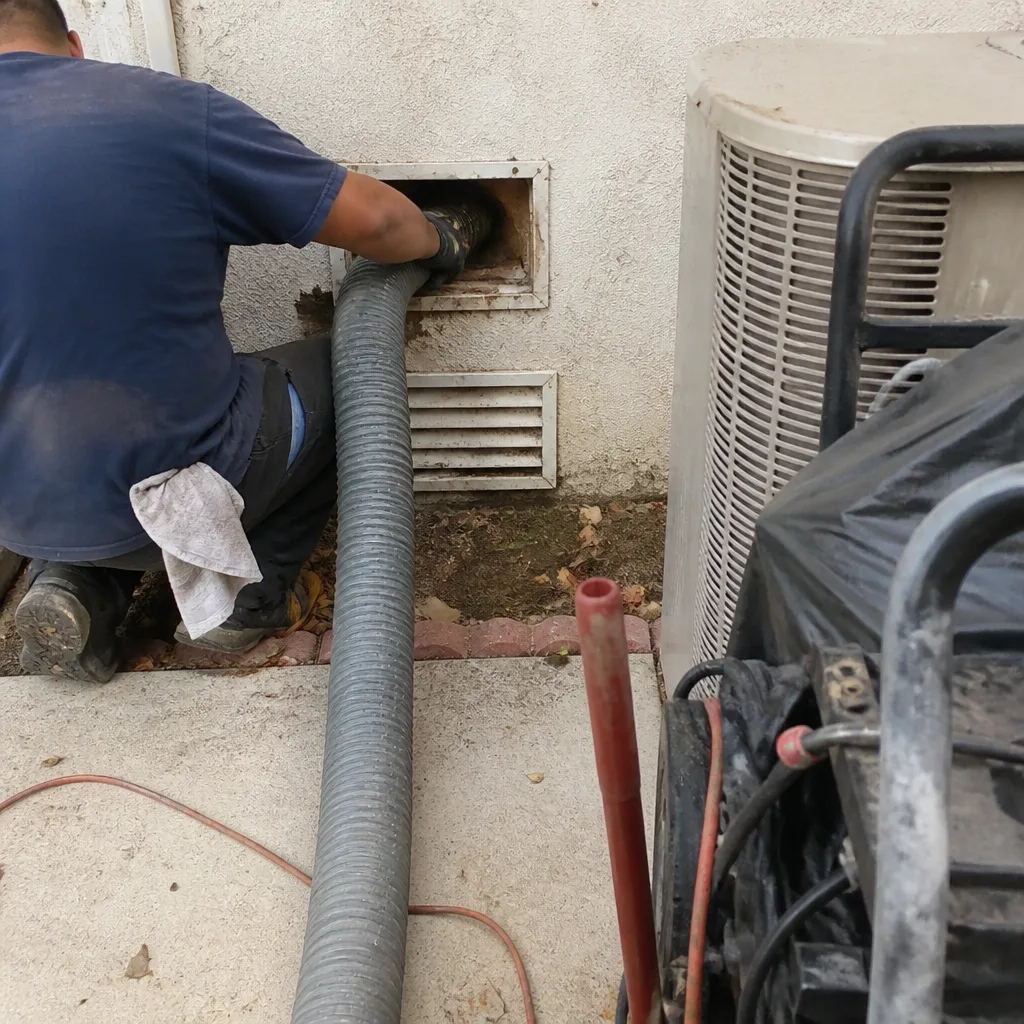 Before
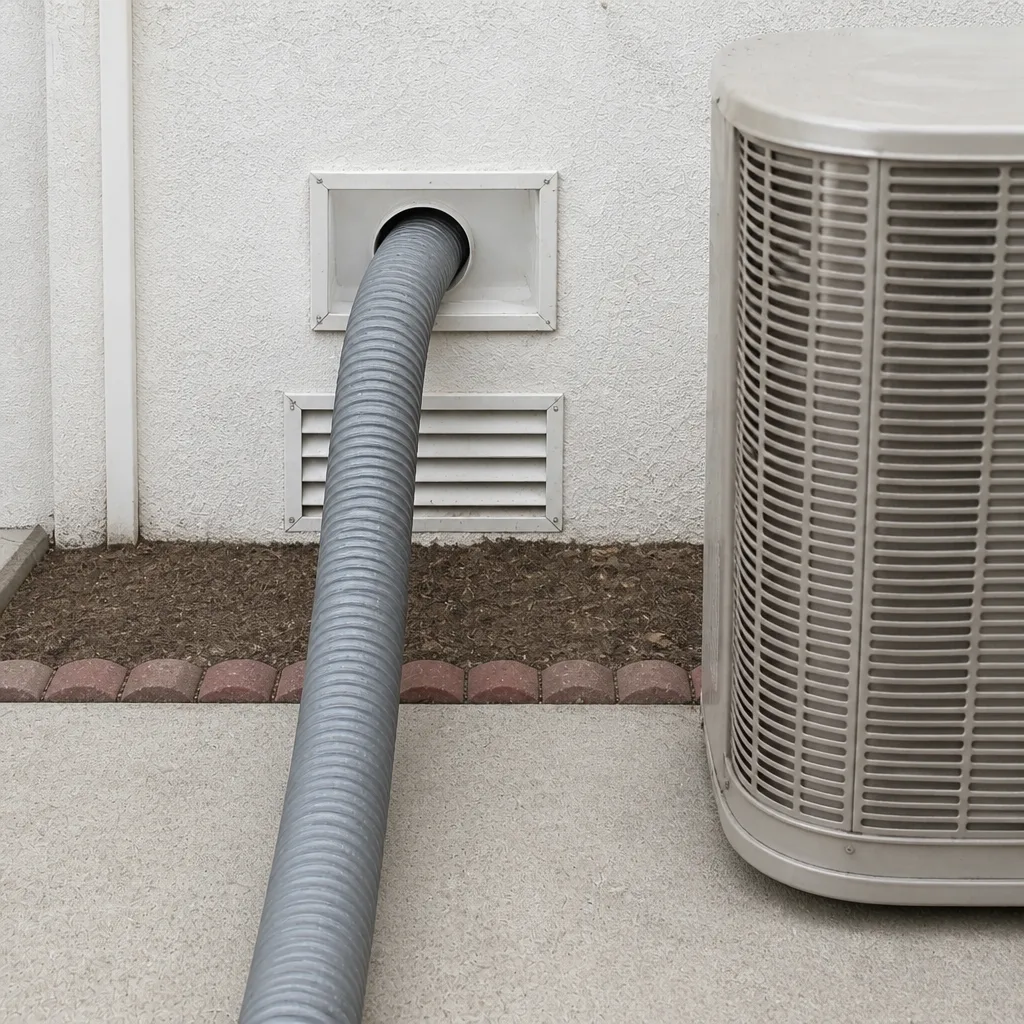 After
When to Call a Professional
Some scenarios are routine calls and some are permit-and-safety calls. Routine: your ducts haven’t been cleaned in years, your air handler is running dirty, or your dryer vent is slow. That’s dryer vent cleaning and standard HVAC cleaning, and there’s no permit question. Permit-relevant: a technician proposes replacing or cutting into duct sections, or you’re planning a remodel or system replacement that touches the ductwork. Safety-relevant: a duct section has collapsed, a joint has opened at a gas appliance connection, or you notice a burner flame behaving strangely. For gas-connected duct or air handler work, stop and call a trained professional. Duct work near combustibles and gas appliances is not a DIY scope.
Air Duct Cleaning Anaheim Hills offers free estimates in Anaheim Hills. Call (855) 526-8990. We answer 24/7. Fast dispatch from 7am to 7pm, Sunday through Friday. We can look at your duct system, identify what needs cleaning versus repair, and tell you honestly whether the work crosses the permit line, before you commit to anything.
Frequently Asked Questions
No. Routine air duct cleaning generally does not require a permit in Anaheim Hills. Cleaning removes debris from existing ductwork without structural change. If the work involves cutting, replacing, or modifying duct sections, that’s a repair or modification, and a mechanical permit may be required under California mechanical code through the City of Anaheim. Call (855) 526-8990 for a free estimate and a clear answer on which category your job falls into.
It depends on why the sealing is being done. Homeowner-level sealing to reduce air loss on existing ductwork may be treated as maintenance, depending on scope. Duct sealing done to meet California Title 24 energy compliance during new construction or a major alteration follows a separate regulatory track and typically requires a permit and inspection through the City of Anaheim. Ask the contractor to state which track the sealing is on, in writing, before work begins. Call (855) 526-8990 for a free estimate.
Replacing a collapsed duct section is a repair, and whether it needs a permit depends on the scope and how the city classifies it. In most cases, replacing a duct section that was previously permitted is the type of work that warrants a permit and inspection. It’s always worth a call to the City of Anaheim Building Division with the exact scope. Any contractor proposing the replacement should be able to tell you, in writing, the permit status before they start. Call (855) 526-8990 for a free estimate.
Unpermitted duct repairs can surface during a real estate transaction, either through a home inspection or a disclosure question. The typical resolution is a retroactive permit filed with the City of Anaheim, an inspection, and any corrections needed to bring the work into compliance. Fees and timeline depend on the scope. The time to sort this out is before a sale, not during one. Call (855) 526-8990 for a free estimate if you suspect prior work needs review.
Some low quotes are per-vent pricing designed to convert: a cheap opening rate, then add-ons once the technician is on site. Others skip professional-grade equipment or skip the sealing and repair that responsible duct work involves. We use a flat price per system, agreed before work starts, with no per-vent pricing. We use professional-grade equipment, including the Rotobrush rotary-brush system and Abatement Technologies negative-air equipment, and we show before-and-after photos of your own ducts. Call (855) 526-8990 for a free estimate.
Most homes in Anaheim Hills benefit from a full duct cleaning every few years, and more often if there are pets, recent remodeling, or visible dust at the registers. Dryer vents are a separate service that should be checked annually, especially with the hot, dry summer conditions inland. If a cleaning reveals failed or collapsed duct sections, that repair should happen before the next cleaning cycle, not after. Call (855) 526-8990 for a free estimate and a clear plan for your home.
The Bottom Line
Cleaning doesn’t need a permit. Repair and modification can. That’s the line, and it’s the one most homeowners never hear drawn clearly. The City of Anaheim handles mechanical permits for duct work in Anaheim Hills, and Title 24 filing is a separate track that often runs alongside it. Before any contractor cuts into your ducts, ask three questions in writing: what’s being replaced, whether a permit is required, and who applies for it. A credible contractor answers without hesitation and shows you before-and-after photos of the work. If the answer feels vague, the work probably is too. We handle cleaning, repair and sealing, HVAC, dryer vents, and air quality and sanitizing as one company, so the permit question doesn’t get handed off. Call Air Duct Cleaning Anaheim Hills at (855) 526-8990 for a free estimate. We answer 24/7, with fast dispatch from 7am to 7pm, Sunday through Friday.
Written by the team at Air Duct Cleaning Anaheim Hills.