
Last updated November 24, 2026
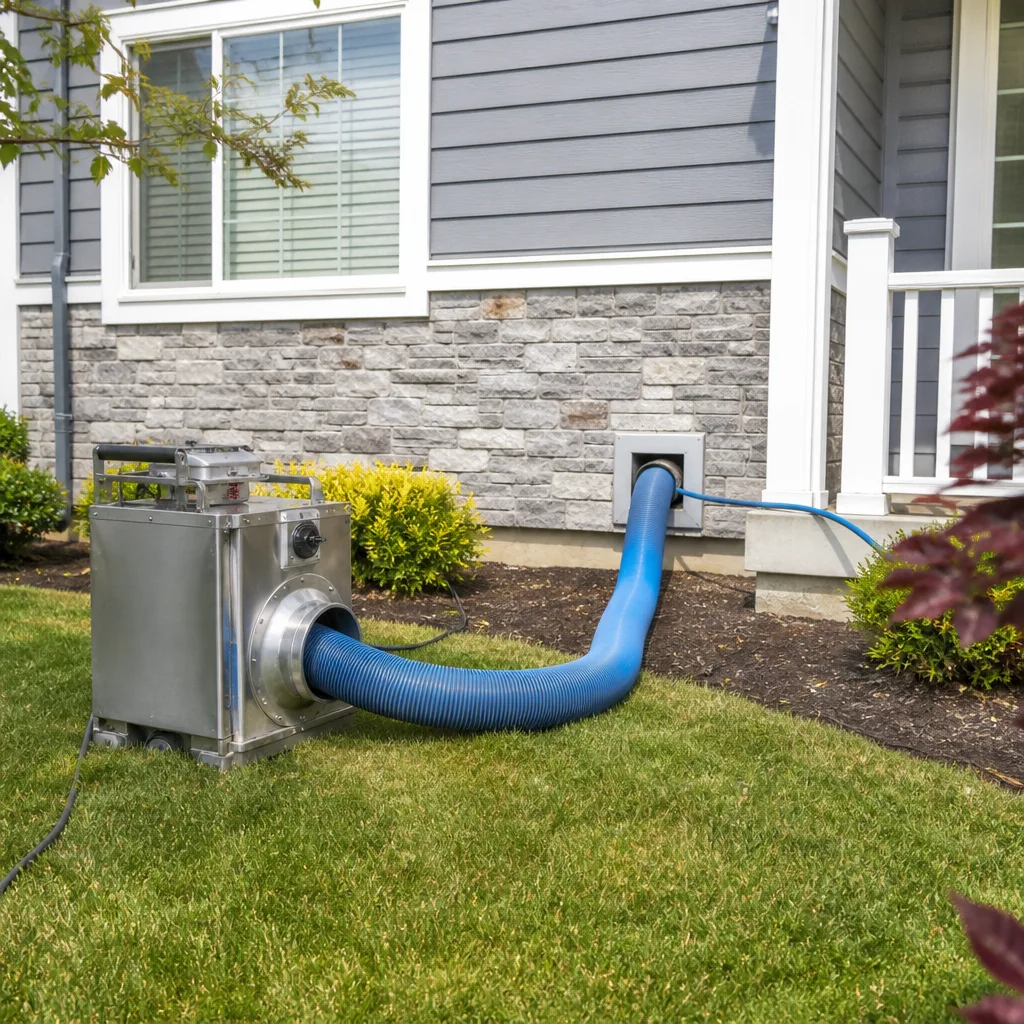 Whole-home duct cleaning
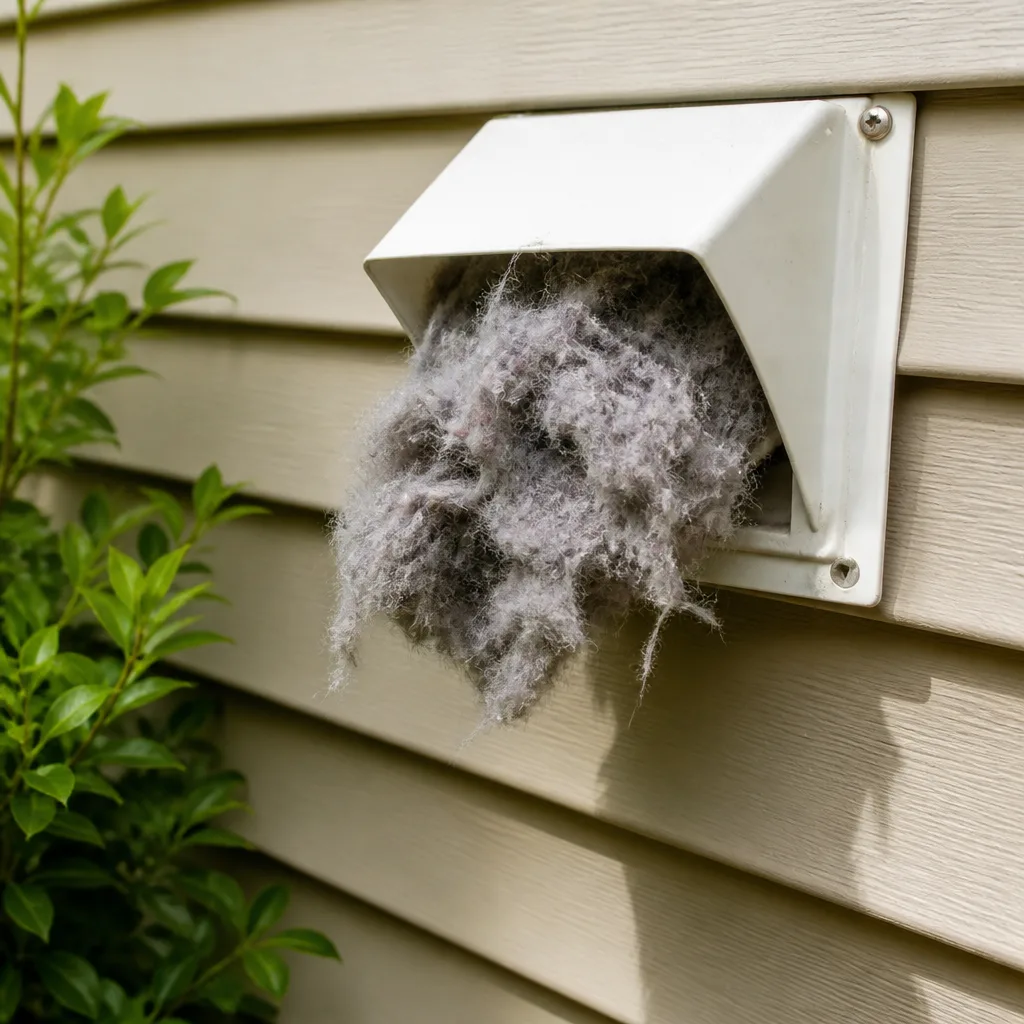 Dryer vent cleaning
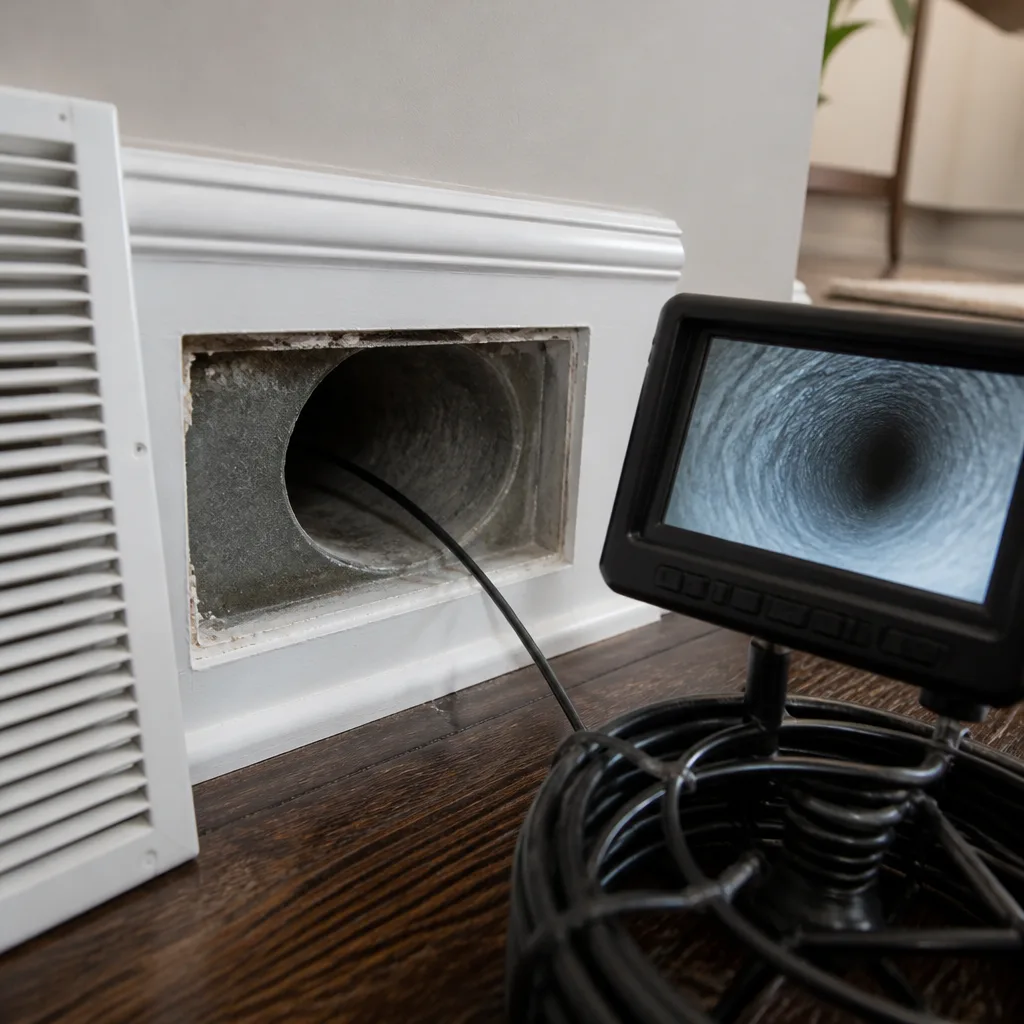 Camera inspection
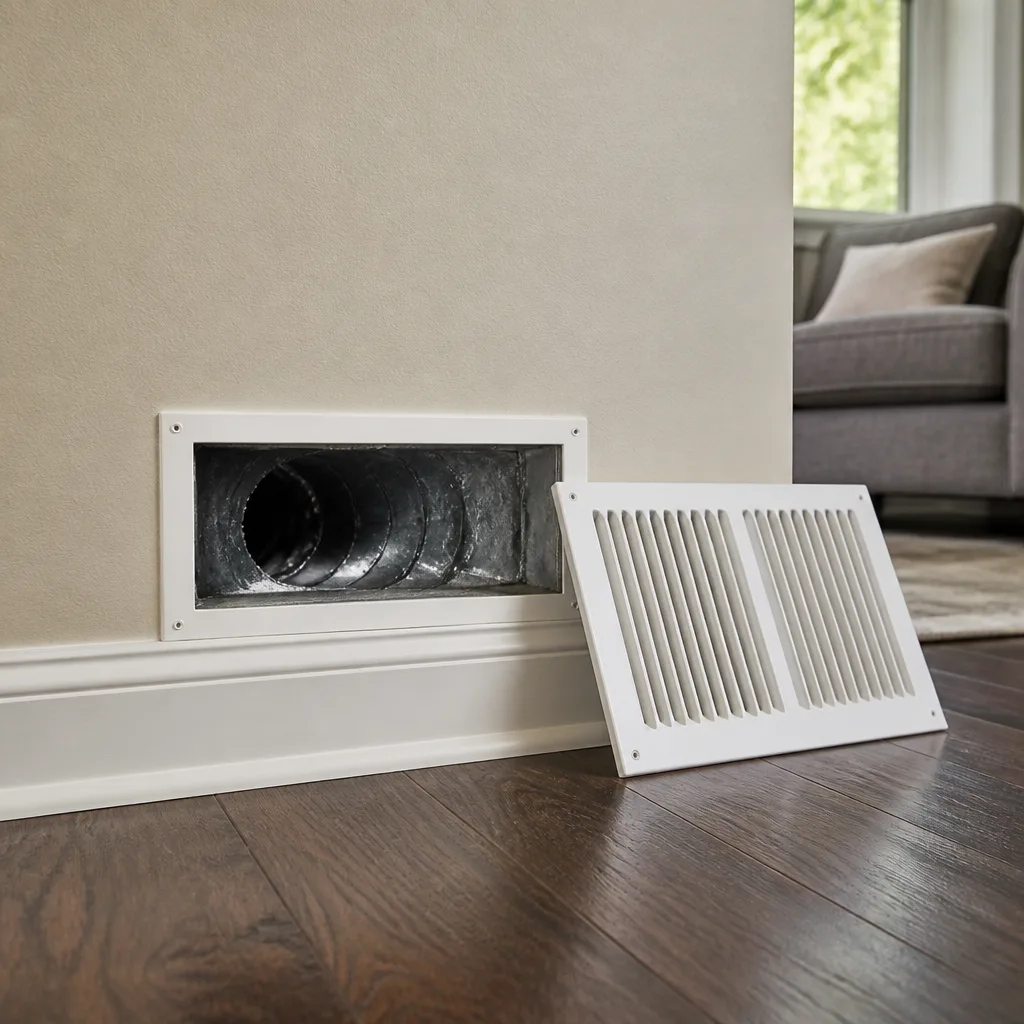 Sanitizing & deodorizing
Whole-system duct and dryer vent check with before-and-after photos - you see exactly what came out of your vents
That "$99 whole-house special" is a bait ad - the real number appears once they are in your hallway, or the "clean" is a shop-vac at the register. We photograph the inside of your ducts before and after instead.
Air Duct Cleaning Warning Signs: An Anaheim Hills Homeowner’s Reference Guide
Visible black dust at a register is not an early warning sign. It’s a late one. By the time contamination shows up at the supply grille, it’s been circulating through your living space for weeks, sometimes longer. The signals that matter most in Anaheim Hills show up months earlier, and they rarely look like dirt at all. They look like a bedroom that never quite cools, a system that runs longer than it used to, or a faint smell you can’t place. This guide walks through the early indicators, what each one actually means, and how to tell a cleaning problem from a repair problem before a small issue turns into a large invoice.
Quick Answer
The earliest warning signs of a duct problem in Anaheim Hills are rarely visible contamination. They’re performance signals: uneven airflow between rooms, longer HVAC runtimes to reach the same setpoint, new or intermittent odors, and a rise in dust on surfaces after renovation or water remediation work. Visible dust at a register means the problem is advanced. Catching the subtle signals first is what separates a routine cleaning from a repair.
Styles & brands we work with
- Whole-home duct cleaning
- Dryer vent cleaning
- Camera inspection
- Sanitizing & deodorizing
Table of Contents
- Airflow Asymmetry: The Structural Signal Most Homeowners Miss
- HVAC Runtime Increase as a Contamination Proxy
- Reading Odor Patterns: Biological Growth, Debris, or Pest Intrusion
- The Post-Renovation and Post-Remediation Risk Window
- The Register Inspection Method: Flashlight vs. Camera Scope
- Dust, Filtration, and What Your Filter Is Actually Telling You
- Why Dryer Vents and HVAC Units Belong in the Same Conversation
- When DIY Inspection Stops Being Useful
Airflow Asymmetry: The Structural Signal Most Homeowners Miss
Uneven airflow between rooms is the single most underreported duct signal we encounter in Anaheim Hills, and it’s the one with the widest range of possible causes. A bedroom that never cools quite as well as the hallway. A register that pushes noticeably less air than the one across the room. These are not always “this room just gets warm” problems. They’re often structural.
The three most common causes of persistent airflow asymmetry are:
- Collapsed flex duct. Flexible ductwork can kink or crush when it’s routed through tight attic runs or pinched at a bend. A collapsed section restricts volume to every downstream register.
- A disconnected joint. Duct sections come apart at connections more often than homeowners expect, especially where flex duct meets a rigid trunk line. The air still moves; it just dumps into an attic or wall cavity instead of the room.
- Significant buildup in a trunk line. A main trunk carrying heavy accumulation restricts flow to every branch downstream, and the effect worsens with distance from the air handler.
Here’s the important distinction. Collapsed duct and disconnected joints are repair problems, not cleaning problems. Cleaning alone won’t fix them, and this is exactly why the repair and sealing step matters as much as the cleaning itself. We schedule air duct cleaning and duct repair together on a large share of Anaheim Hills jobs for precisely this reason: you clean the system, then you close the joints and re-support the runs so the cleaning holds. A clean duct with a disconnected joint re-contaminates within weeks.
What to check first, before assuming a duct fault:
- Confirm the affected room’s register is fully open and unobstructed by furniture or rugs.
- Compare the airflow (hand test, or a strip of tissue) at the weak register against a register on the same trunk line.
- Check whether the weak room was added as an addition or converted space, which often points to a longer or more complicated duct run.
- Note whether the asymmetry is new or has always been there. New asymmetry is far more urgent.
If the weak register is at the end of a long run while the nearest register blasts air, the trunk line is the likely culprit. That’s a camera scope question, not a flashlight question, and we cover the difference below.
HVAC Runtime Increase as a Contamination Proxy
When a system runs longer to hit the same setpoint, restricted airflow from contaminated ducts is one of the primary causes, and it’s usually the last thing a homeowner suspects. The thermostat still reads the right temperature eventually. The system still works. But the runtime creeps up, and with it the electricity bill and the wear on the blower.
This is the cleanest early-warning signal available to a homeowner because it requires no equipment, just attention. A few practical ways to notice it:
- Note the time it takes to cool a room on a warm afternoon and compare it to last year, not to a neighbor’s house. Anaheim Hills summers run consistent enough that year-over-year comparison is meaningful.
- Watch whether the system short-cycles or runs continuously. Continuous running to hold setpoint is the classic restricted-airflow pattern.
- Check the blower motor for increased noise or a harsher hum. A starved blower works harder and sounds different.
- Compare your electricity bill to the same month a year ago, adjusting for rate changes. A modest but persistent climb with no other explanation is worth investigating.
What restricted airflow does to a system is cumulative. A blower pushing against a restricted return has to work harder to move the same volume, and hot or cold spots get worse as the restriction builds. The system isn’t failing; it’s compensating. That compensation is the warning sign.
One caution: runtime increase can also indicate a refrigerant or compressor issue, or a failing blower. If the runtime climbs but the system is otherwise healthy, dirty ducts are a strong suspect. If the system is short-cycling or not cooling at all, get an HVAC technician involved before assuming ducts. In our experience, though, a system that still reaches setpoint but takes longer is far more often an airflow problem than a mechanical one, and that points to the ducts.
Reading Odor Patterns: Biological Growth, Debris, or Pest Intrusion
The character of an odor is a diagnostic clue, not just a nuisance, and each type calls for a different response. This is where homeowners get misdirected: they buy a fragrance product, the smell goes away for a week, and the underlying problem gets worse.
Musty or damp-earth smell. This pattern typically points to biological growth in ducts or on the evaporator coil, and it’s the one that responds to mechanical cleaning plus an air-quality sanitizing treatment. Honeywell and Aprilaire products we integrate into our air-quality and sanitizing service address the biological component directly, which brushing alone won’t reach. If the musty smell returns within days of a clean, the moisture source is feeding it and needs addressing. Anaheim Hills homes with ductwork running through unconditioned attic space can develop condensation inside the duct during the warm season, particularly where flex duct isn’t insulated to spec.
Dry, dusty, or papery smell. Usually debris accumulation such as construction dust, pet hair, or dust that’s settled and dried. Straightforward mechanical cleaning handles this, and Abatement Technologies negative-air equipment keeps the dislodged contaminant from drifting into the home during the job.
Sharp, musky, or ammonia-like smell with scratching or droppings. Pest intrusion. Rodents and insects get into Anaheim Hills duct runs through gaps at the exterior envelope, attic penetrations, and roof vents. This is a different problem altogether: cleaning without sealing the entry points guarantees a repeat. Duct sealing and repair close the highway; that’s why the repair step isn’t optional.
Sour or chemical smell. Often an electrical or appliance issue rather than a duct problem, and it warrants a different professional entirely. Don’t assume it’s biological.
Any persistent odor that returns within a week of cleaning is telling you the cause hasn’t been addressed. That return is the useful signal. The first smell is a hint; the return is the diagnosis.
The Post-Renovation and Post-Remediation Risk Window
Renovation and remediation projects open a specific contamination window that Anaheim Hills homeowners routinely underestimate, and the timing of the cleaning matters as much as doing it. Drywall dust, sawdust, insulation fibers, and paint overspray all get pulled into return ducts during the work, and the HVAC system keeps circulating them for as long as construction continues. This is especially common in Anaheim Hills homes where additions, kitchen remodels, and bathroom modifications are common.
The risk window has a clear start and end:
- During the work. Return registers nearest the construction zone draw the highest volume of airborne debris. Gaps in a protective cover negate it.
- At project finish. This is the moment to schedule cleaning, not weeks later. The dust hasn’t had time to settle deep into the trunk and branch runs.
- After water remediation or mold remediation. If remediation work happened in the home, the ducts need cleaning and a sanitizing treatment, and the moisture source that caused the original problem needs confirming. Remediation is complete only when the HVAC system has been cleaned, not before.
A detail most contractors won’t mention: a renovation clean is often more valuable than a routine clean because it catches the system before permanent accumulation sets in. A remodel is also the moment to look at duct conditions you’d otherwise never see. In our experience, this is where collapsed flex duct, disconnected joints, and under-supported runs get discovered, and it’s why we push for repair and sealing during the same visit. Clean first, seal after, verify last.
The question worth asking your contractor before demolition starts: is the HVAC system sealed off, and are returns covered? If the answer is vague, the post-project cleaning becomes more important, not less.
The Register Inspection Method: Flashlight vs. Camera Scope
A flashlight inspection at the register tells you what’s happening at the visible end of the duct. A camera scope tells you what’s happening in the trunk line, the branch runs, and the connections behind the wall. These are different questions, and it’s worth knowing which one is actually being answered.
What a flashlight actually reveals (a homeowner can do this without any training):
- Dust pattern at the grille itself, which shows the immediate branch-end condition, not the trunk.
- Visible buildup on the register face and adjacent boot, which reflects the last few feet of the run.
- Loose debris, pest droppings, or biological staining at the register face.
- Whether the register is seated, sealed against the drywall, and blowing freely.
What a flashlight cannot reveal, and what a camera scope can:
- The condition of the main trunk line, which is often where the heaviest accumulation sits and where the most significant restrictions occur.
- Whether flex duct is collapsed, crushed, or under-supported in the attic or crawlspace.
- Whether a joint has separated at a junction the homeowner can’t see.
- The condition of the evaporator coil and the plenum, which aren’t visible at the register.
The practical implication: a flashlight is a useful first filter, and a camera scope is the only reliable way to evaluate the trunk line and the connections. In our experience, the most consequential problems we find in Anaheim Hills homes are the ones a flashlight can never see, because they sit behind a bend or inside a trunk the register doesn’t expose. If a homeowner’s flashlight check shows nothing wrong but the symptoms persist, the next step is a proper scope inspection. That’s the point where DIY inspection stops answering the question.
Dust, Filtration, and What Your Filter Is Actually Telling You
The condition of the air filter is a small but reliable diagnostic. A filter that loads up in a fraction of its rated interval is telling you the system is pulling a high volume of airborne material from somewhere, and the ductwork is a strong candidate. A filter that stays clean past its interval can be telling you the opposite problem: air is bypassing the filter housing, or the system isn’t moving the air it should.
What the filter is actually indicating:
- Fast-loading filter. High debris load in the returns, often construction dust, pet hair, or biological growth. Don’t just change the filter; find the source.
- Filter that stays clean too long. Possible bypass at the filter housing, a restriction upstream, or airflow that’s being starved. Worth a scope inspection.
- Filter that deforms or gets pulled inward. The system is fighting a restriction downstream, and the filter is taking the strain.
- Filter that’s clean at the surface but dark at the edge. You’re seeing the visible end; the deep load is in the return behind it.
There’s a habit worth stopping, and it’s common in Anaheim Hills homes: using the highest-MERV filter the housing will physically accept, regardless of what the blower can push through it. A filter that’s too restrictive creates the same starved-airflow condition as dirty ducts, and a homeowner who installs one then blames the ducts. Match the filter to the system spec, not the marketing on the box.
One more point. Filter quality matters, but filtration doesn’t clean ducts, and the two often get confused. A filter catches what’s in the airstream on its way through; it doesn’t remove accumulation that’s already settled in the duct walls. That’s what mechanical cleaning with professional-grade equipment does. When we run a HVAC cleaning and duct clean together, the filter is part of the conversation, but it’s the system inside the wall that the cleaning actually reaches.
Why Dryer Vents and HVAC Units Belong in the Same Conversation
Homeowners tend to think of duct cleaning, dryer vents, and HVAC units as three separate services to be scheduled separately. They share one system and one set of warning signs, which is why treating them in isolation lets problems slip. A lint-clogged dryer vent and a dust-loaded return duct both restrict airflow, and both hide their real condition behind a wall or a flexible run.
Dryer vent warning signs Anaheim Hills homeowners often miss:
- Clothes taking longer to dry in the same appliance that used to dry them faster.
- The exterior vent flap staying closed or barely moving during the dry cycle.
- Heat buildup in the laundry area with lint accumulation around the vent.
- A burnt or “hot” smell that appears late in a cycle.
A clogged dryer vent is the one warning sign on this list with a genuine safety dimension, and we treat it that way. Lint is highly combustible, and the accumulation that restricts airflow is the same accumulation that can ignite. We handle dryer vent cleaning with the same professional equipment we use on the duct system, because a shop vacuum can’t clear a vent run properly and doesn’t capture the lint it dislodges.
The HVAC unit itself is the third part of the conversation. The evaporator coil, blower housing, and drain pan all sit downstream of the return ducts, and any accumulation that reaches them either reduces performance or feeds biological growth. A cleaned duct system with a fouled coil is a job half done. When we build a job around the whole system, all three pieces get addressed, which is why we work this way rather than as three separate visits.
What equipment actually matters here. We use Rotobrush and Nikro systems on every duct cleaning job, the same equipment specified by HVAC and restoration contractors, because the cleaning result depends on the tool. We integrate Abatement Technologies negative-air and air-scrubbing equipment to contain what gets dislodged during the job, so it doesn’t end up in the living space. Our technicians have up to 13 years of experience, and the equipment choice reflects what that experience showed actually works.
When DIY Inspection Stops Being Useful
DIY inspection is genuinely useful up to a point, and the point is the flashlight-to-scope transition. Anything the register face reveals is a homeowner job. Anything behind it is not, and there are three reasons that matters.
Reason one: the camera reveals things a flashlight can’t. Collapsed flex duct, separated joints, and heavy trunk-line accumulation are invisible at the register, and those are the conditions that turn a cleaning into a repair.
Reason two: some duct situations are genuinely hazardous. Ductwork running through tight attic spaces, near electrical, and close to the air handler has to be handled carefully. The cleaning itself is a professional task, not a DIY one, and the equipment (negative-air containment, rotary-brush systems, camera scopes) is not something you can replicate with a shop vacuum. A shop vacuum cannot reach the trunk line, and it doesn’t contain what it dislodges. If you suspect contamination on a real scale, the safe assumption is a trained professional handles it.
Reason three: a cleaning without sealing re-contaminates. This is the problem we see most often, and the one most worth flagging. Ducts get cleaned, the homeowner is happy for a month, then dust returns. A clean duct with an open or disconnected joint pulls attic air and insulation fibers straight back in. This is why we treat cleaning and repair and sealing as one job: clean first, seal the joints and gaps, then verify the system is holding pressure. The cleaning holds because the path is closed. We name this because it’s the difference between a service that shows up once and a result that lasts.
Containment matters too. A job that disturbs contamination without capturing it just spreads it. Abatement Technologies negative-air equipment is standard on our jobs for exactly that reason, and it’s the reason we don’t treat a duct cleaning as a one-hour visit with a hand tool. The thoroughness is the point.
Common Mistakes to Avoid
- Treating the first visible dust as the problem. Dust at the register is the symptom, and the contamination is in the trunk and return. Cleaning the register face alone does nothing to the source. Investigate the whole system.
- Assuming uneven airflow is normal. Some temperature variation is normal; a bedroom that never cools the way the hallway does is worth investigating. In Anaheim Hills homes with additions and long duct runs, this is a routine sign of a collapsed or disconnected run rather than a “just how the house is” quirk.
- Changing the filter and calling it a fix. A new filter does not clean a duct system. It catches what’s in the airstream and nothing more. If the runtime increase or the odor persists after a filter change, the source is deeper.
- Skipping the cleaning after a remodel. Construction dust drawn into the returns during a project is the most concentrated contamination load a home will typically see in a year. Cleaning weeks after the finish liners rather than clean.
- Cleaning without sealing. The single most common reason a cleaning “didn’t last.” Open joints, disconnected runs, and gaps at the air handler pull the same outside air back in. Seal after cleaning.
- Using a shop vacuum and believing the job is done. A shop vacuum can’t reach the trunk line, can’t scuff the buildup off the duct walls, and doesn’t contain what it stirs up. The equipment matters because the result depends on it.
- Buying a fragrance product for a recurring odor. Odors are diagnostic, and masking one hides the condition rather than fixing it. A musty smell that returns within days is pointing at a moisture source, and the duct cleaning alone won’t address it.
See the difference
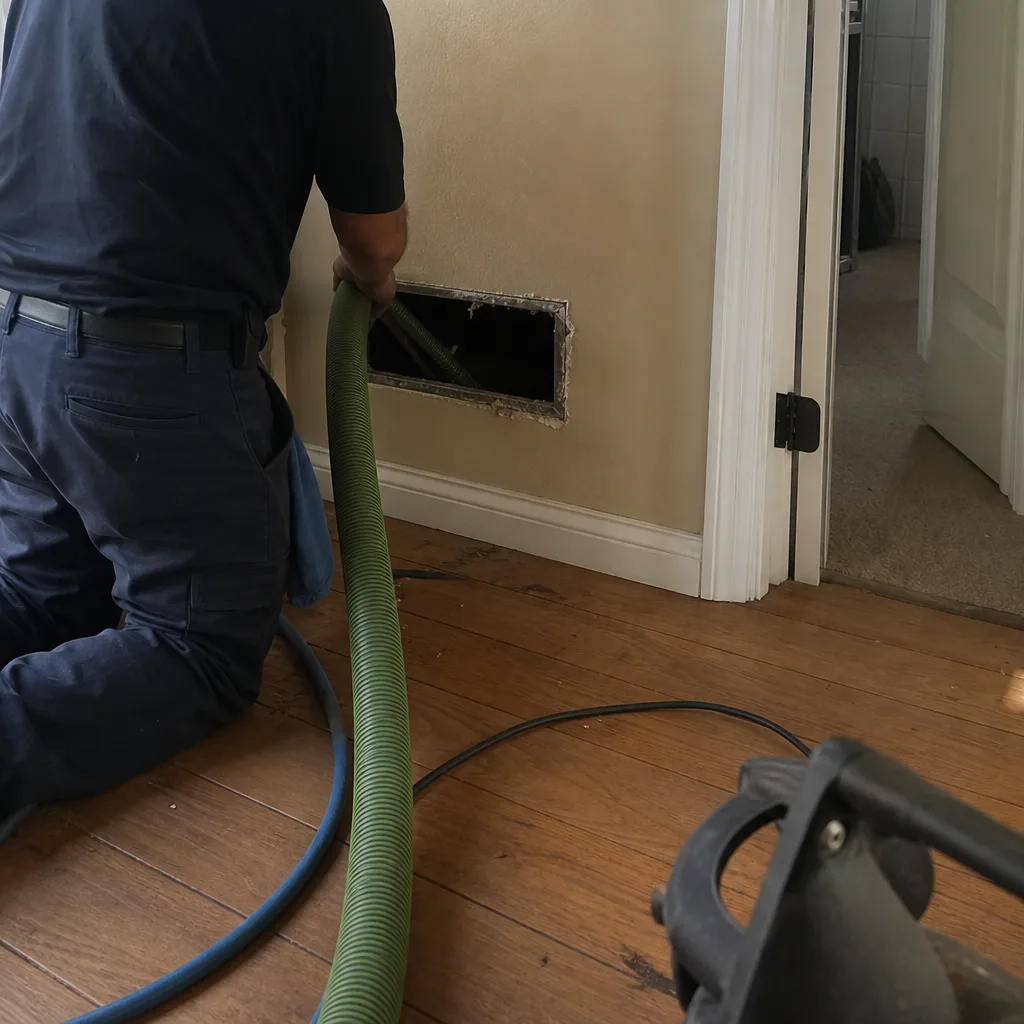 Before
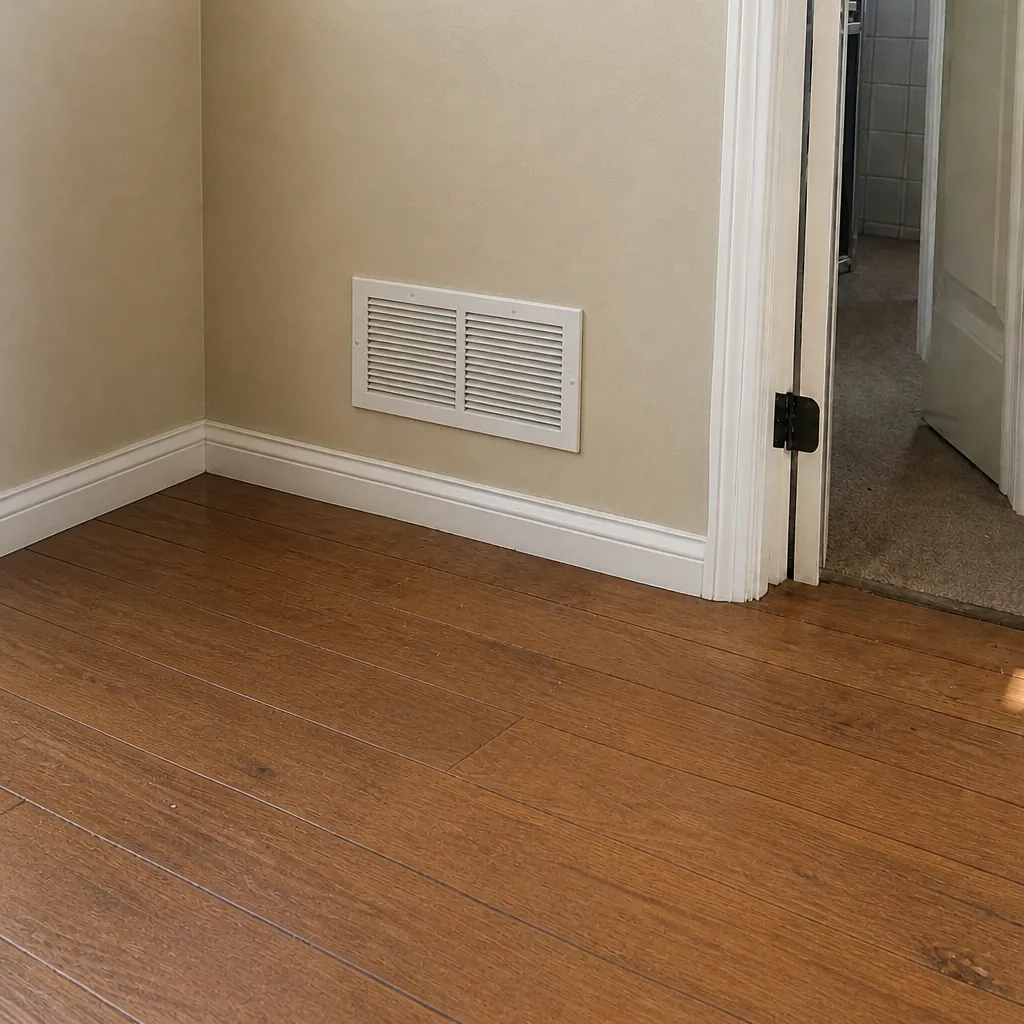 After
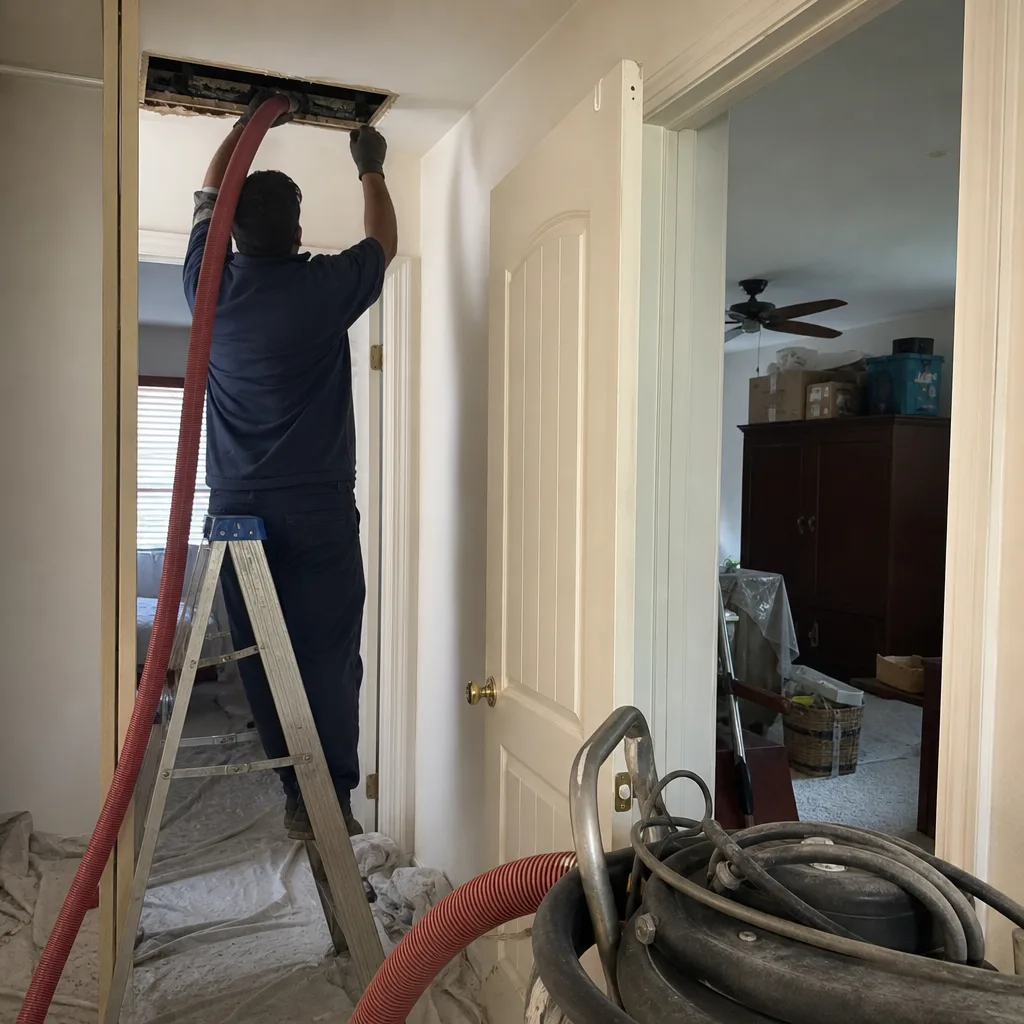 Before
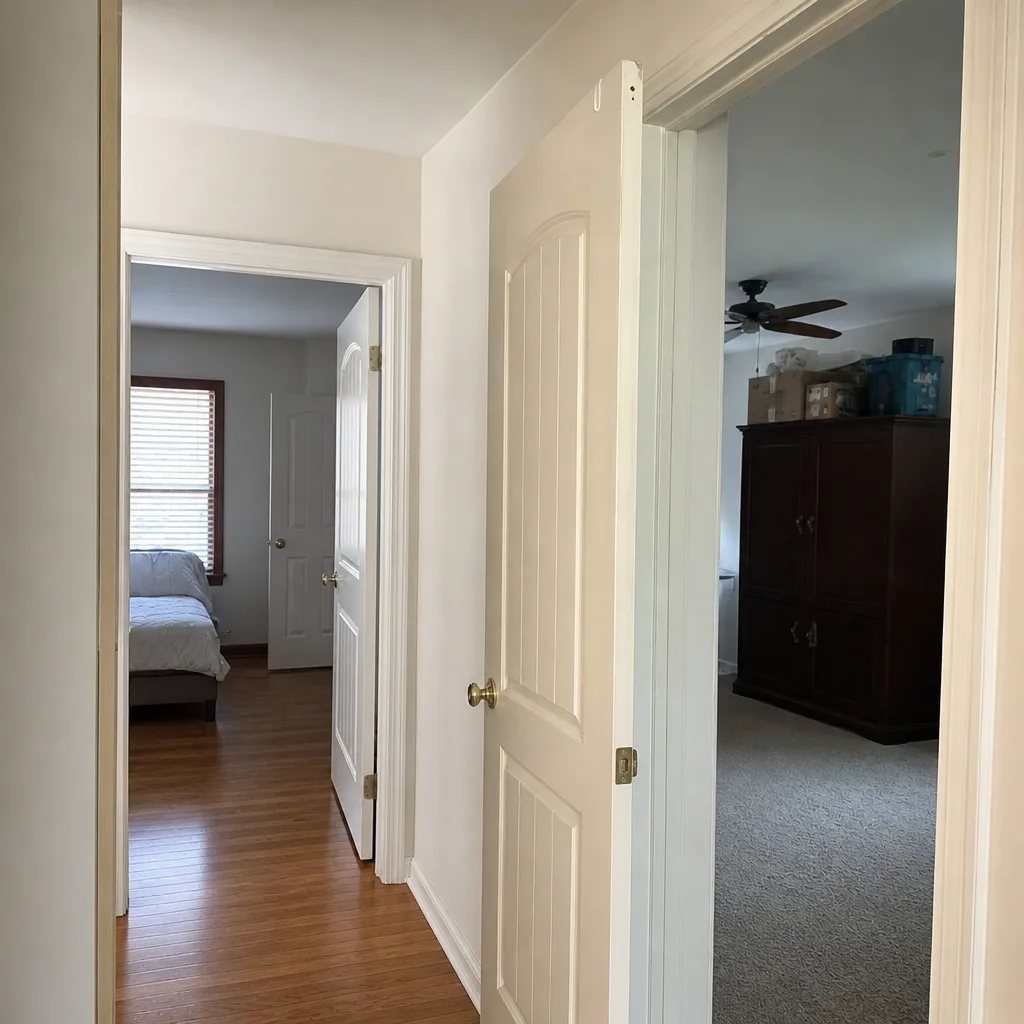 After
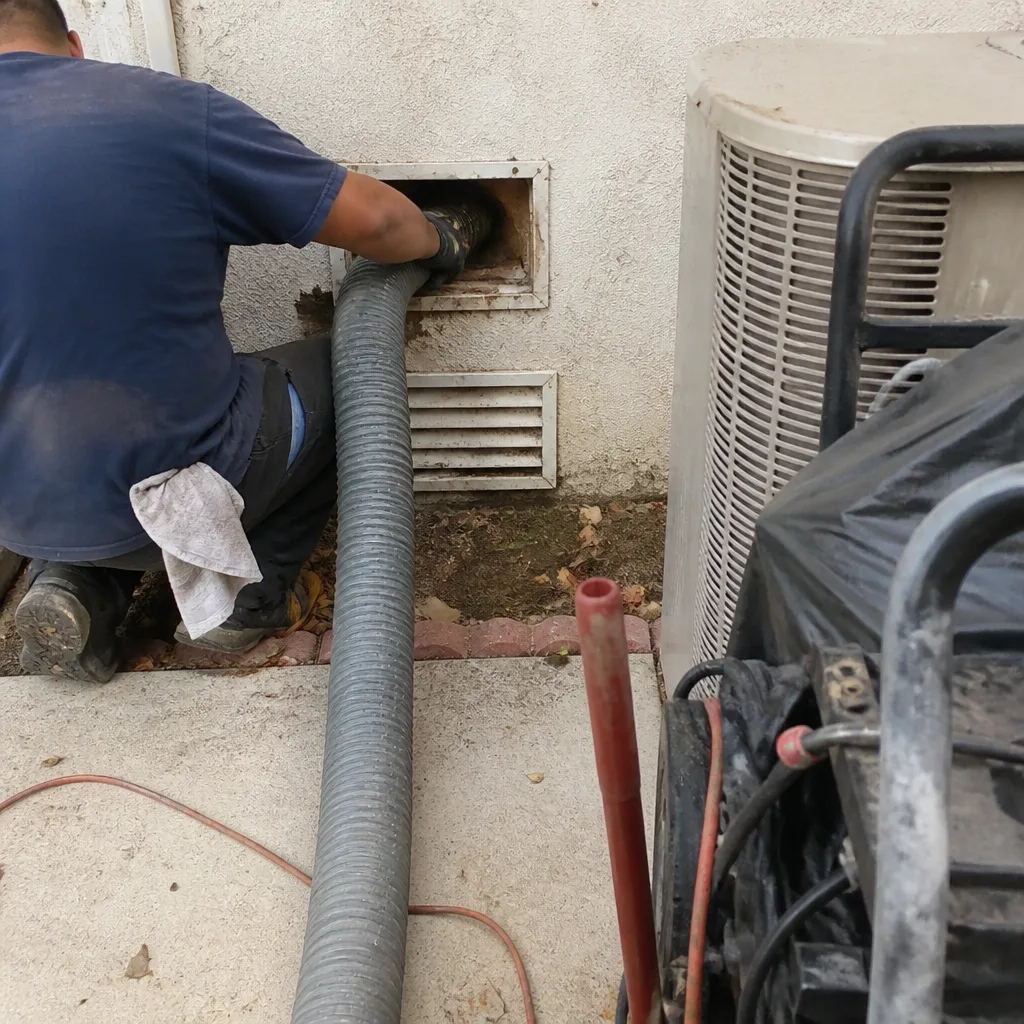 Before
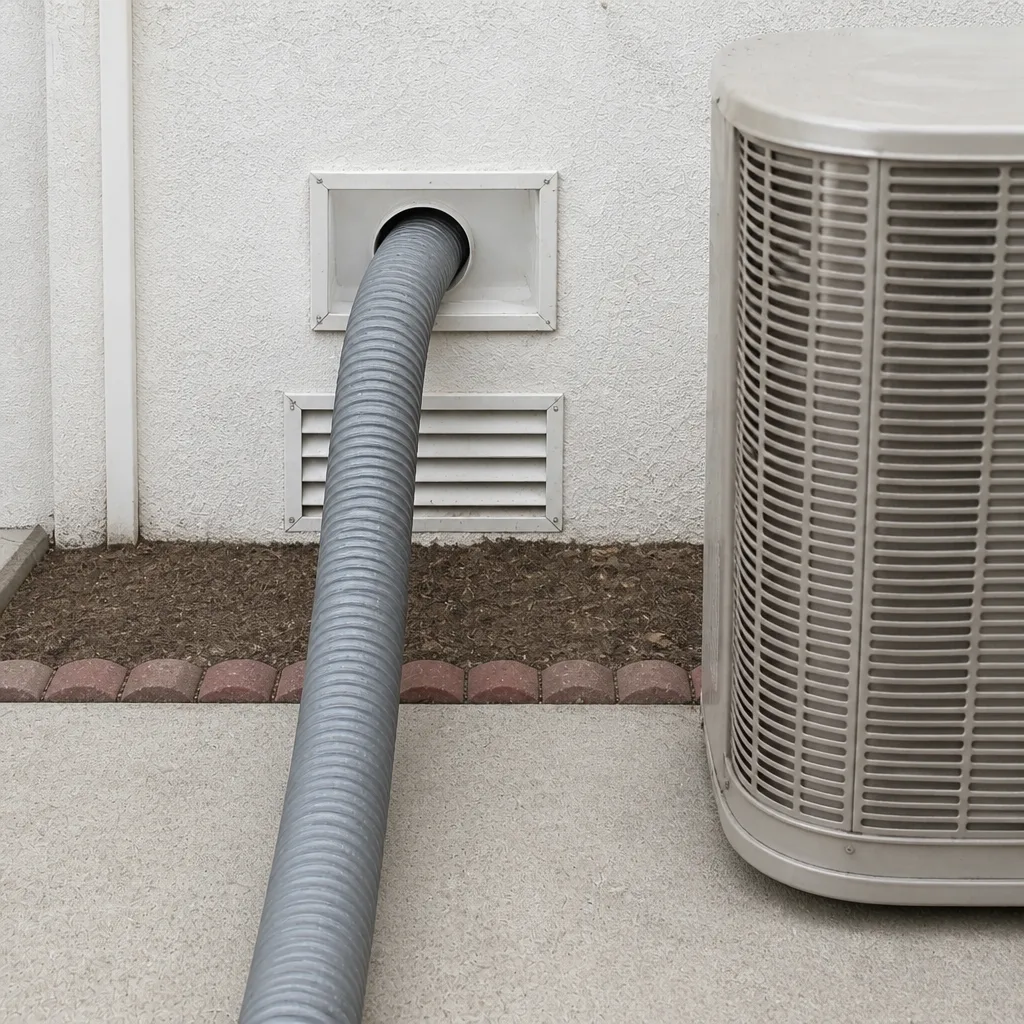 After
When to Call a Professional
Call a professional when the signals point to something the flashlight can’t reach. That means: airflow asymmetry that’s new or worsening, runtime that’s climbed without a change in usage or weather, an odor that returns within a week of a cleaning, or a home that’s just come through a renovation, remediation, or addition. Any of those warrants a proper inspection of the trunk line and the system behind the wall.
Air Duct Cleaning Anaheim Hills offers free estimates in Anaheim Hills – call (855) 526-8990. We handle the full system in one relationship: cleaning, dryer vent, HVAC unit cleaning, repair and sealing, and air-quality sanitizing. The local pro we connect you with is licensed and insured as their state requires, the estimate is free, and the price is set per job by the written estimate. Call (855) 526-8990. We answer 24/7. Fast dispatch from 7am to 7pm, Sunday through Friday. Regardless of which company you choose, bring a scope to the inspection, ask what’s being cleaned, and ask whether sealing is part of the job. The answers tell you everything.
Frequently Asked Questions
The first warning signs are usually performance signals, not visible dirt: uneven airflow between rooms, longer HVAC runtimes to reach the same setpoint, new or intermittent odors, and filters that load faster than their rated interval. Visible dust at the register appears later, once contamination has already been circulating for weeks. If you’re noticing any of the performance signals, a camera scope inspection is the right next step. Call (855) 526-8990 for an exact quote – estimates are free.
Most Anaheim Hills homes don’t need cleaning on a fixed schedule, and the honest answer depends on the home: pets, recent renovation, water remediation, pest history, and filter habits all move the timing. A reasonable guideline is every few years for a typical home, and sooner after a remodel, remediation, or pest intrusion. The right trigger is a warning sign, not a calendar. Call (855) 526-8990 and we’ll give you a straight answer for your home.
A low quote usually reflects a smaller scope: the register ends are cleaned and the trunk line and HVAC unit aren’t touched, or a shop vacuum is used instead of a rotary-brush system. The equipment difference is real. Professional-grade Rotobrush and Nikro systems reach the trunk line and scuff the buildup off the duct walls, and containment equipment keeps what’s dislodged out of your living space. If you want to know what a fair quote covers, ask what’s included and whether the equipment is named. Call (855) 526-8990 for a whole-system estimate.
You know it was done when you see the before-and-after condition of your own ducts, when the scope inspection covers the trunk line and not just the register, and when the quote states one flat price per system rather than a per-vent figure. Ask for the scope footage and the before-and-after photos; a company confident in its work will show them without being asked. Call (855) 526-8990 for an exact quote – estimates are free.
Yes, and the timing matters. Drywall dust, sawdust, and insulation fibers get pulled into the returns during construction, and the system keeps recirculating them until the project ends. Cleaning within days to a couple of weeks of the finish catches the dust before it settles deep into the trunk. Call (855) 526-8990 after the project wraps and we’ll assess the right scope.
Duct cleaning handles the dust and debris component of an odor, but biological growth and pest intrusion need a different response. A musty smell typically points to biological growth that responds to cleaning plus an air-quality sanitizing treatment, and a musky smell with scratching points to pest intrusion that needs the entry points sealed, not just cleaned. The right response depends on the cause. Call (855) 526-8990 and we’ll help you identify which one you’re dealing with.
The Bottom Line
The dramatic signs of a duct problem are the late ones. The useful signs are subtle and show up months earlier: uneven airflow, rising runtime, unusual odors, fast-loading filters, and a recent renovation or remediation. Homeowners who learn to read those signals in Anaheim Hills catch a cleaning problem before it becomes a repair problem, and that’s the whole point of this reference. A flashlight tells you what’s at the register; a camera scope tells you what’s in the trunk line. Clean first, then seal, then verify. We’ve built the service around that sequence because that’s what makes the result last.
If you’re noticing any of the warning signs in this guide, air duct cleaning Anaheim Hills is the place to start that conversation. Call (855) 526-8990 for a free estimate. We answer 24/7. Fast dispatch from 7am to 7pm, Sunday through Friday. One flat price per system, agreed before work starts, with before-and-after photos of your own ducts so you can see the work was done.
Written by the team at Air Duct Cleaning Anaheim Hills.