
Last updated November 24, 2026
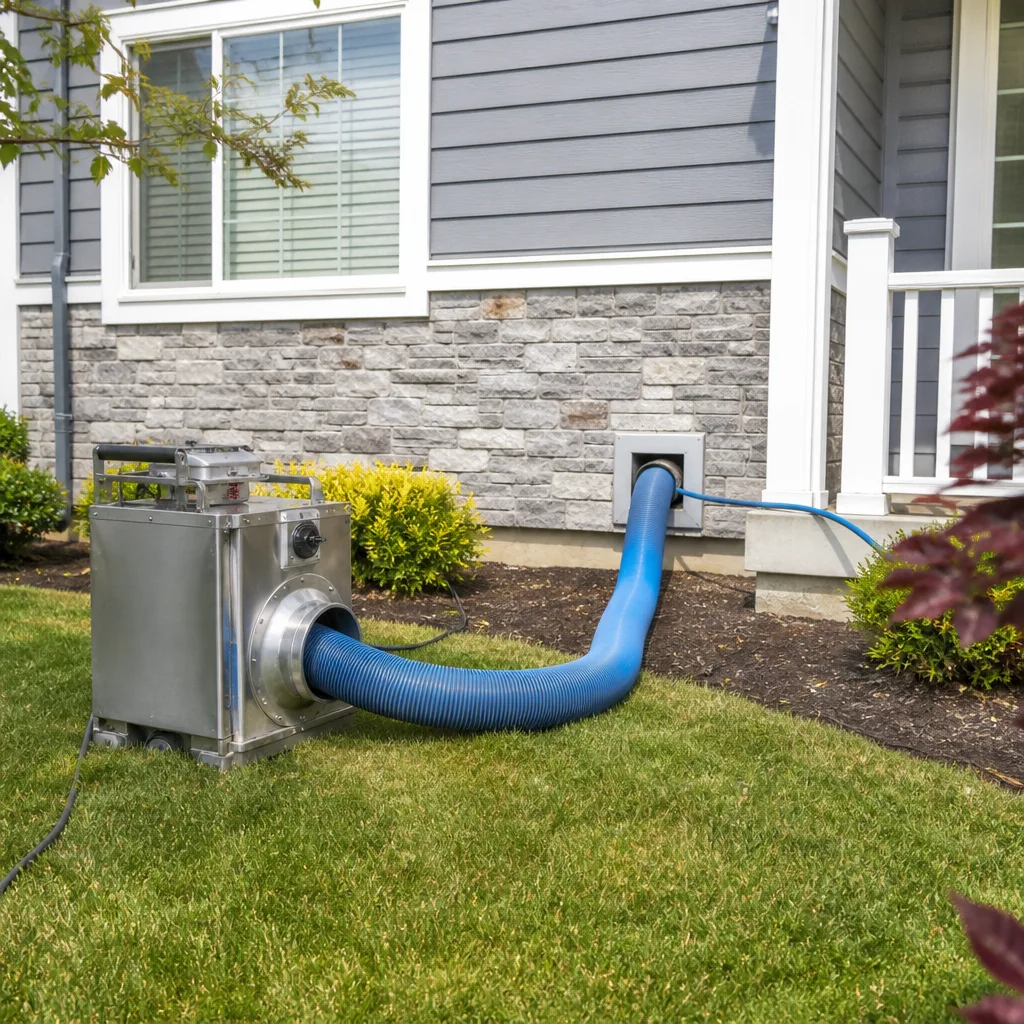 Whole-home duct cleaning
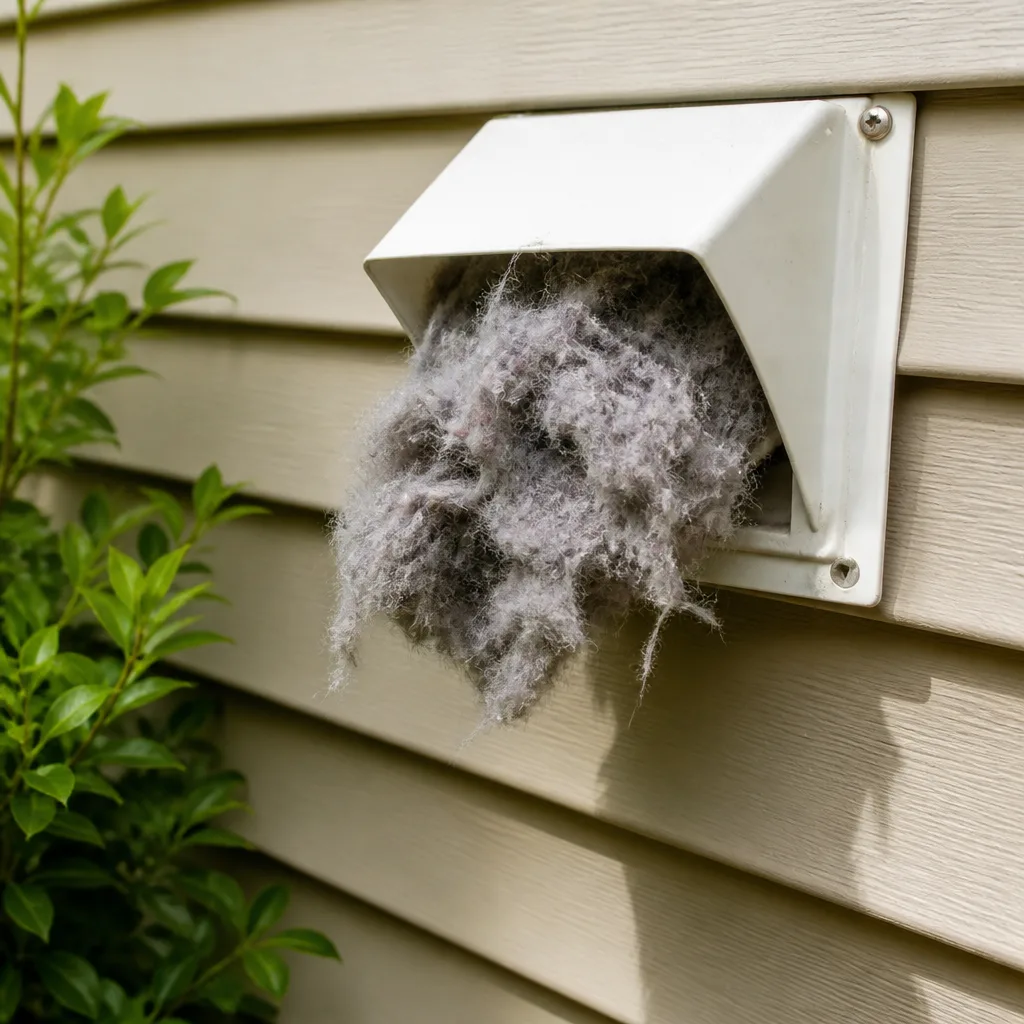 Dryer vent cleaning
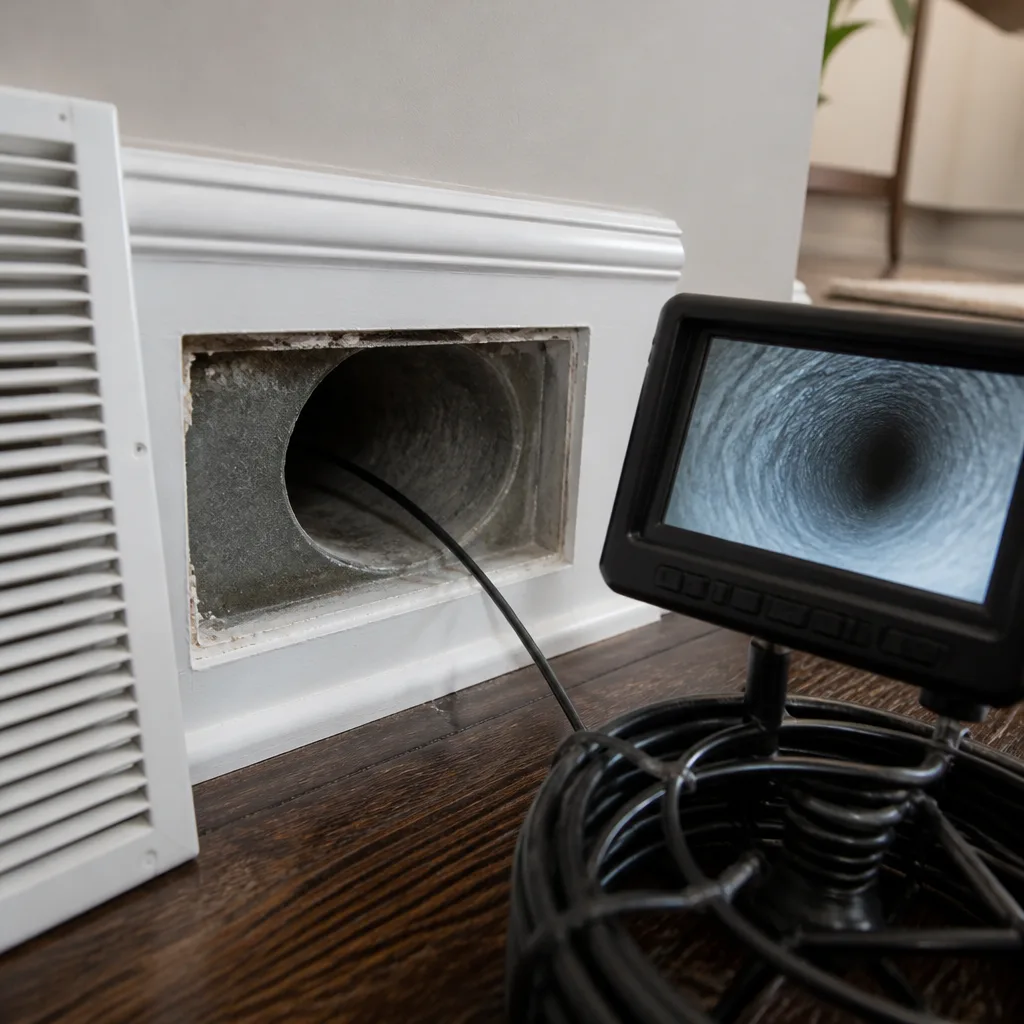 Camera inspection
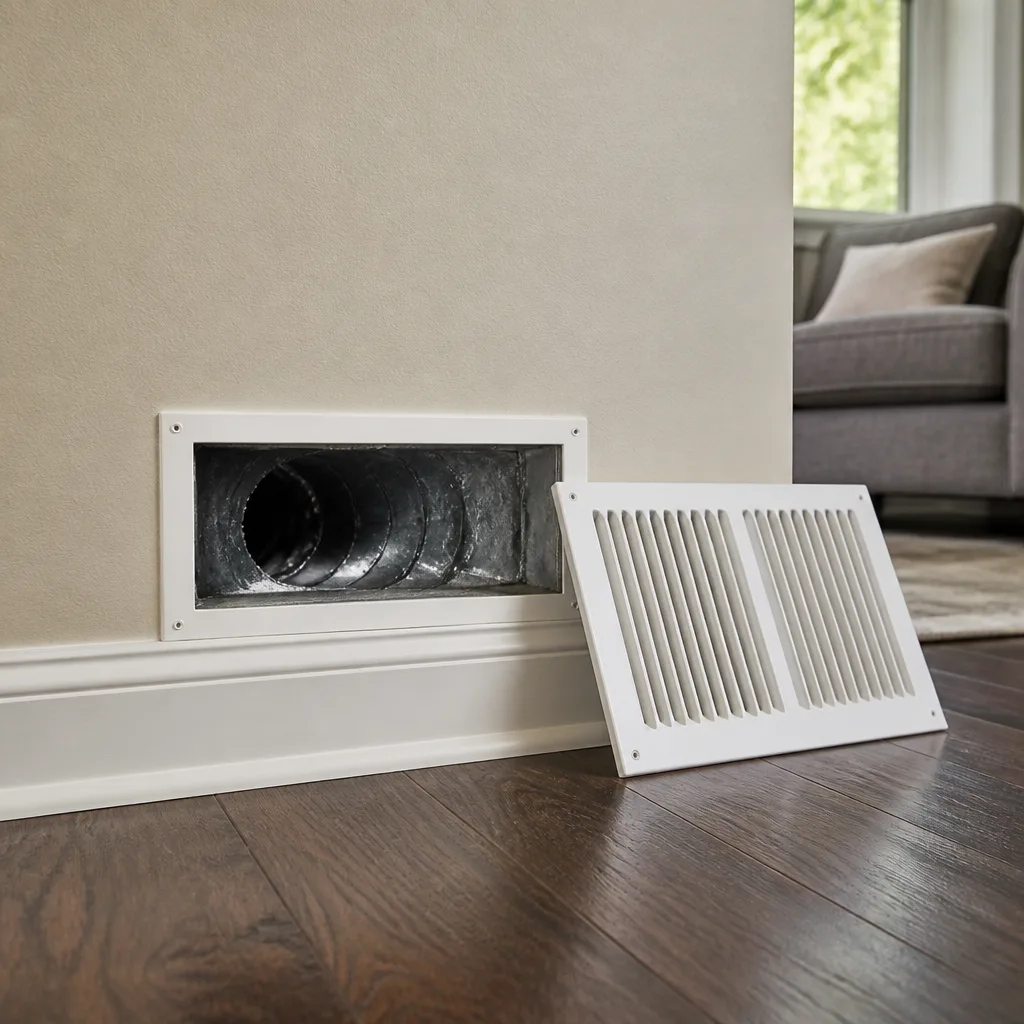 Sanitizing & deodorizing
Whole-system duct and dryer vent check with before-and-after photos - you see exactly what came out of your vents
That "$99 whole-house special" is a bait ad - the real number appears once they are in your hallway, or the "clean" is a shop-vac at the register. We photograph the inside of your ducts before and after instead.
Seasonal Air Duct Cleaning Care for Anaheim Hills: Year-Round Homeowner’s Guide
Most Anaheim Hills homeowners schedule their annual duct cleaning in spring. By that point, the system has already run through the heaviest particulate event of its year – the Santa Ana wind season that sweeps combustion ash, dry brush dust, and fine grit through October, November, and December – with no inspection afterward. A calendar built around the standard “clean once a year” habit misses the actual rhythm of this climate. Anaheim Hills doesn’t run four seasons; it runs three distinct stress periods that each deposit something different inside your ductwork. This guide maps each period to a specific task so you know what to do, when to do it, and what genuinely requires professional equipment.
Quick Answer
Anaheim Hills has three HVAC stress windows – pre-summer ramp-up in May, post-Santa Ana smoke season from December through January, and post-spring pollen and landscaping peak in March through April – and each deposits a different contaminant load. Aligning your duct care to those windows instead of a generic annual date produces cleaner air and fewer long-term HVAC problems. Your single most important habit is to inspect and, when needed, clean your system after Santa Ana season rather than waiting for spring.
Styles & brands we work with
- Whole-home duct cleaning
- Dryer vent cleaning
- Camera inspection
- Sanitizing & deodorizing
Table of Contents
- The Three Anaheim Hills Stress Windows
- What Each Season Deposits Into Your Ducts
- Tasks You Can Do at Each Seasonal Transition
- Tasks That Require Professional Equipment
- Adjusting Your Filtration Schedule for Anaheim Hills
- Building a Year-End Duct Maintenance Record
- Dryer Vents and HVAC Units Are Part of the Same System
The Three Anaheim Hills Stress Windows
Anaheim Hills sits in the foothills of eastern Orange County, which means the local air pattern is dominated by heat, wind, and surrounding hillside vegetation rather than coastal moisture. That produces three recognizable stress periods instead of the four-season pattern the generic duct-cleaning advice assumes. Understanding these windows is the foundation of any sensible care schedule.
Window 1: Pre-summer ramp-up (May). As the first sustained heat arrives, your air conditioning starts running every day. Before that first long cooling cycle, any dust, pollen, and settled particulate sitting in the return ducts gets pulled into the air handler and pushed through every supply register in the house. A pre-summer check catches the buildup before it circulates.
Window 2: Post-Santa Ana and fire smoke season (December through January). The Santa Ana wind events that arrive in late fall and early winter push dry, dusty air through Anaheim Hills, and smoke from regional fire activity often rides with it. Fine ash and combustion particles settle in return ducts, on filter faces, and on the air handler’s blower. This is the single most consequential window, and it’s the one most homeowners skip.
Window 3: Post-spring pollen and landscaping peak (March through April). The hillsides and neighborhood landscaping go into full growth, and pollen counts climb quickly. Pollen grains, fine plant debris, and outdoor dust pulled in through fresh-air intakes and leaky return paths accumulate in the system just as cooling demand begins.
The takeaway is simple. Your ducts don’t need attention on a fixed anniversary date. They need attention after the events that dirty them.
What Each Season Deposits Into Your Ducts
Not all duct contamination is the same, and this is where Anaheim Hills’ three-window calendar earns its keep. Each stress period leaves a different residue with different cleaning and filtration implications.
- Post-Santa Ana season: combustion and mineral ash. Fine, dry, and highly mobile. Ash particles stay suspended in moving air, so they travel deep into the duct system and settle on cooled surfaces. They’re abrasive on blower wheels and motor bearings, and they carry odor.
- Post-spring peak: pollen and plant debris. Pollen grains are relatively large but sticky, and they cluster on supply diffusers, return grilles, and the filter media face. This load responds well to media filter upgrades and periodic register wiping.
- Pre-summer and in-season: settled household dust and dust mite debris. Fine dust and dust mite casings accumulate steadily across every window. They’re the most common reason a system starts to smell or a household member notices more congestion after cooling season begins.
Combustion ash calls for a full mechanical cleaning once it’s present in quantity, because it settles in places a homeowner can’t reach. Pollen mostly calls for better filtration and register maintenance. Settled dust needs both. Knowing which load you’re dealing with keeps you from over-cleaning in one season and under-cleaning in another.
When the load inside the ducts is heavy enough that the air handler and every supply run need a mechanical pass, that’s the point to schedule air duct cleaning in Anaheim Hills rather than trying to vacuum registers yourself.
Tasks You Can Do at Each Seasonal Transition
Homeowners can handle a meaningful share of seasonal duct maintenance without special equipment. The point is to do the right task at the right transition, not to do everything yourself.
- Late April (before the pre-summer ramp-up): Replace the filter, wipe all supply diffusers and return grilles, and vacuum the floor around the return intake. Look for visible dust trails at the register edges.
- November (before Santa Ana season): Change the filter again, and make sure the outdoor unit is clear of leaf debris and hillside vegetation. Seal any obvious gap in the return air path.
- Late December into early January (after Santa Ana season): Inspect every register for ash and fine grit, wipe what’s reachable, and photograph the register faces before and after. Note the date in your maintenance log.
- Late March (after pollen peak): Replace the filter a third time if the face is visibly loaded. Wipe down registers where pollen clusters.
- Every transition: Record the date and a one-line note about what you saw. That log becomes the basis of your year-end record.
These five steps take less than an hour per transition and take most of the load off your system between professional visits. What they can’t do is reach the interior of the supply runs, the plenum behind the air handler, or the blower compartment.
Tasks That Require Professional Equipment
There’s a line where homeowner effort stops being useful and starts to be a waste of time, and it’s determined by what’s physically inside your ductwork. Getting a system genuinely clean requires more than a shop vacuum and a long hose.
What a proper professional cleaning involves:
- Negative air pressure set up on the main trunk so loosened material is captured rather than redistributed through the house.
- A rotary brush and high-velocity air tool run through each supply and return run, which lifts stuck film from duct walls that a vacuum alone won’t release.
- Cleaning the air handler blower compartment and evaporator coil, which is where the heaviest accumulation usually hides.
- Containment equipment so fine ash from Santa Ana season doesn’t blow back into living space during the cleaning itself.
We use professional-grade Rotobrush and Nikro systems on every job because they’re the same equipment HVAC contractors and restoration crews specify – not consumer equipment scaled up. For combustion ash and heavy pollen loads, that tooling difference matters more than any single number we could quote you.
If the system has visible accumulation after a Santa Ana season and a filter change isn’t clearing the smell or the register dust, the right move is a professional cleaning. You can book a free estimate by calling (855) 526-8990.
Adjusting Your Filtration Schedule for Anaheim Hills
Homes with whole-house filtration systems – Aprilaire or Honeywell media cabinets, in particular – should treat Anaheim Hills’ event calendar as a filter-replacement trigger, not a flat yearly date. Standard “change it once a year” advice is built for a generic climate. This area’s ash and pollen surges burn through media faster than the average.
A practical media replacement rhythm for Anaheim Hills:
- Install fresh media at the start of May, before the pre-summer ramp-up.
- Inspect the media face after Santa Ana season (late December). Replace if visibly loaded, especially if smoke or ash has been present in the air.
- Replace again after pollen peak in late March if the media has lost airflow or darkened noticeably.
- Log each replacement date next to your register photos so you can see the pattern over a full year.
This isn’t a rigid schedule – if you can’t remember the last time you changed it, check it now. A loaded filter restricts airflow, which pushes the air handler harder and can shorten its life. Pairing better filtration with the cleaning step gives you the most reliable result. That’s why we handle cleaning, air duct cleaning as a standalone service, and air-quality sanitizing in one visit – so the filter and the ducts behind it work together.
For households where odor, mold, or biological contamination has become a concern after a heavy season, our air-quality sanitizing service uses Guardsman treatments and Aprilaire products as the appropriate next step beyond mechanical brushing alone.
Building a Year-End Duct Maintenance Record
A simple photo log and filter-change record is one of the most underused tools in homeowner HVAC care. It costs nothing, takes a few minutes at each seasonal transition, and it changes how you and any service professional you work with can assess the system.
What to record:
- A date-stamped photo of the same two or three registers at each seasonal transition.
- The date and model number of each filter replacement.
- The date of any professional cleaning or sanitizing service, with before-and-after photos sent by the provider.
- Any event worth noting – a regional fire event, a heavy wind period, or a home renovation.
Year over year, this record shows you whether dust buildup is stable, improving, or getting worse. That’s far more useful than trying to remember whether the ducts were cleaned in spring or fall. When you do call a professional, share the log: it shortens the diagnostic step and lets them focus on what’s actually accumulated. We send before-and-after photos after every cleaning so the record stays complete, and that’s a standard part of how we work. For a larger job – a home or a small commercial property – the same documentation pays off when you’re managing more than one system.
Whether you’re a homeowner or a property manager handling several Anaheim Hills buildings, keeping the log is worth the few minutes.
Dryer Vents and HVAC Units Are Part of the Same System
Most homeowners treat ductwork, the air handler, and the dryer vent as separate items maintained by separate companies. In practice they share the same moving air, and one neglected component pulls the others down. That’s why a seasonal calendar should include all three.
Dryer vent cleaning deserves a spot after pollen and landscaping season, when lint, plant debris, and household dust combine in the vent run. A restricted dryer vent affects drying performance and adds a maintenance load that steadily worsens. It belongs on the annual checklist even though it’s outside the HVAC loop.
Full HVAC cleaning – the blower, coil, and housing – is where the heaviest accumulation tends to sit, especially after a Santa Ana season. Cleaning the ducts without cleaning the air handler leaves a contamination source in the middle of a clean system. That’s the “clean ducts, then seal them” logic: clean the interior, then close any leak paths so the system doesn’t re-contaminate or lose air through loose joints.
Our dryer vent cleaning and HVAC cleaning services are handled by the same company so nothing is left out between visits, and our duct repair and sealing service closes the loop by fixing joints and gaps that let ash and dust straight back in after cleaning. One company, the whole system – from filter to register to vent.
Common Mistakes to Avoid
- Cleaning in a fixed calendar slot regardless of the season. A spring-only habit misses post-Santa Ana ash entirely. Align cleaning to the three stress windows instead.
- Skipping the air handler. Cleaning the ducts but leaving the blower and coil untouched leaves the contamination source running. Every full cleaning should include the air handler.
- Assuming the filter is fine if it looks light. Combustion ash and pollen often collect on the upstream side and edges you don’t see from the access side. Check both faces.
- Replacing media at a fixed annual date. In Anaheim Hills, the ash and pollen surges can load a filter well ahead of the calendar. Inspect, then decide.
- Ignoring the dryer vent until it becomes an issue. Add it to the same annual cycle as your ducts so it doesn’t fall through the cracks.
- Relying on a home vacuum and a brush for a full clean. It doesn’t lift wall film or containment the way professional equipment does, and it can redistribute fine dust.
- Skipping the record. Without photos and dates, you can’t tell whether the system is improving or quietly getting worse season to season.
See the difference
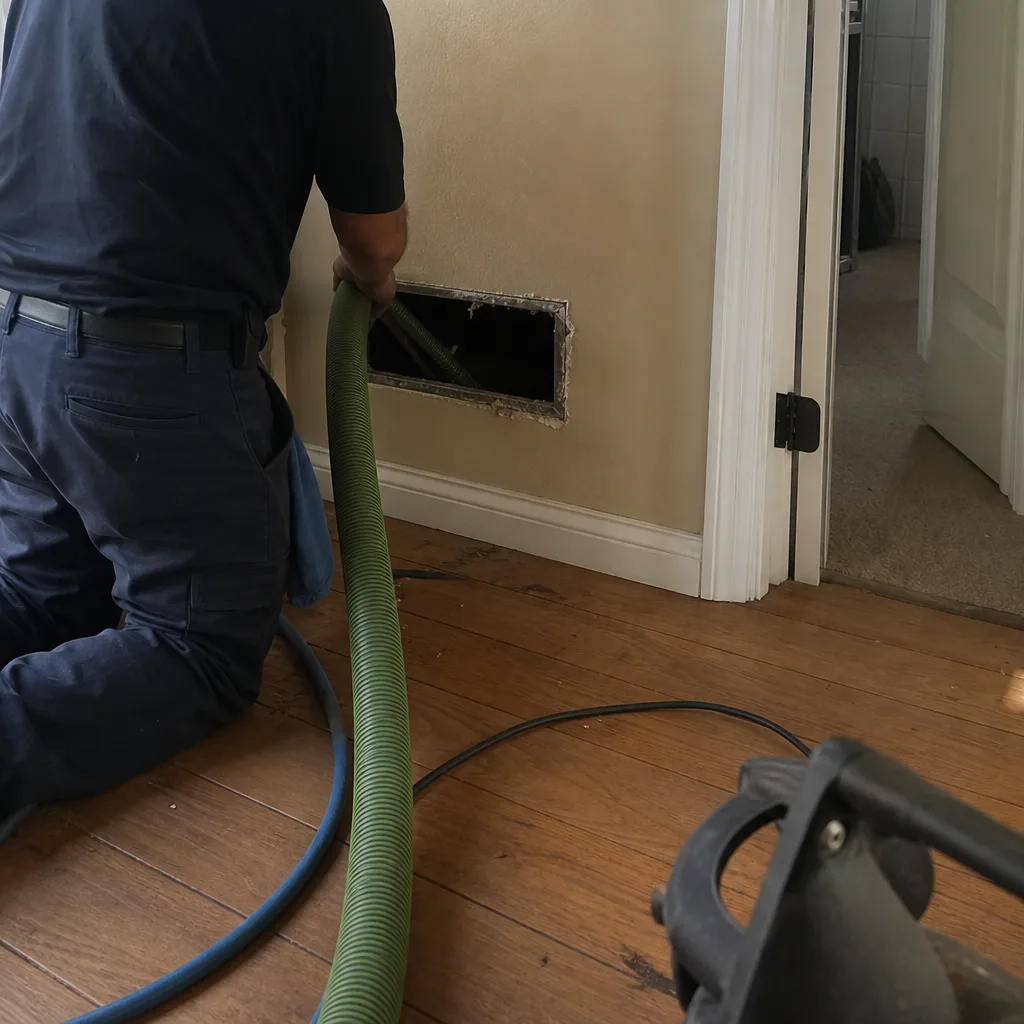 Before
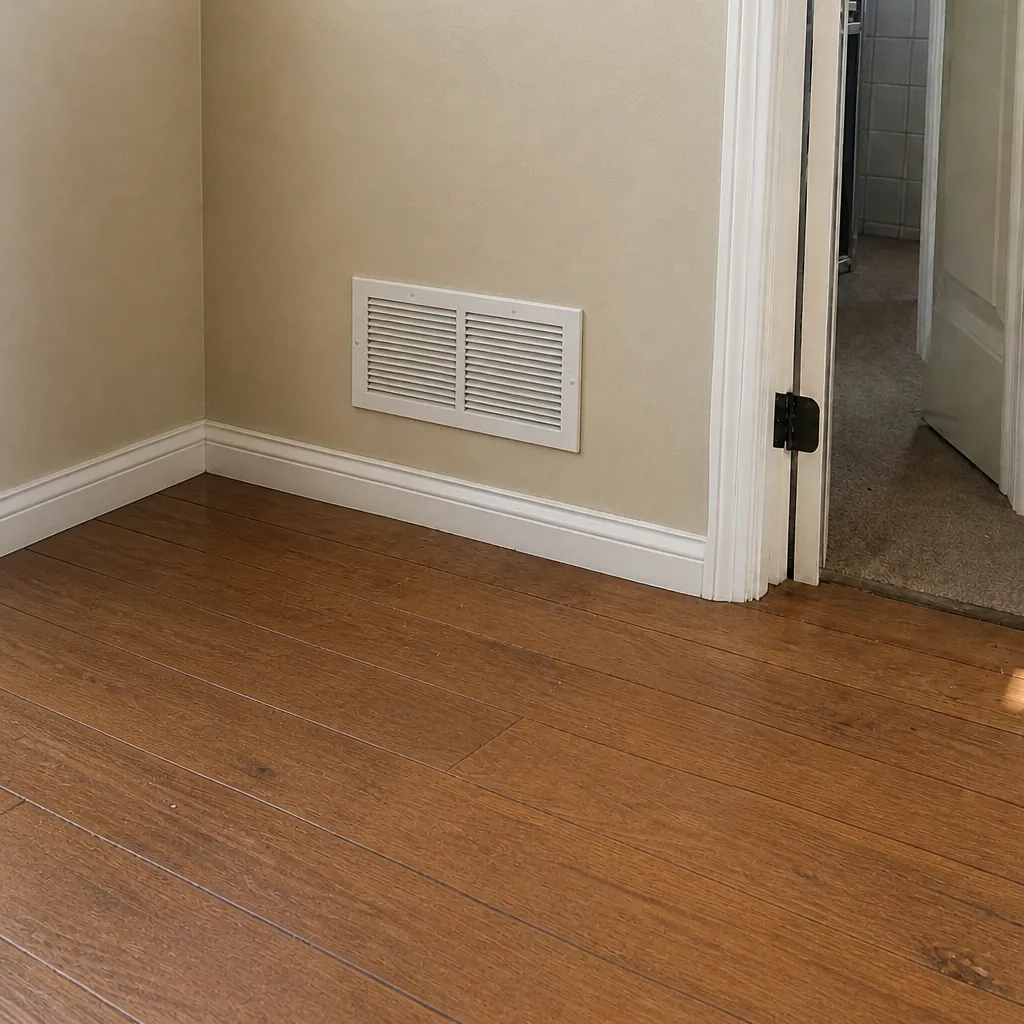 After
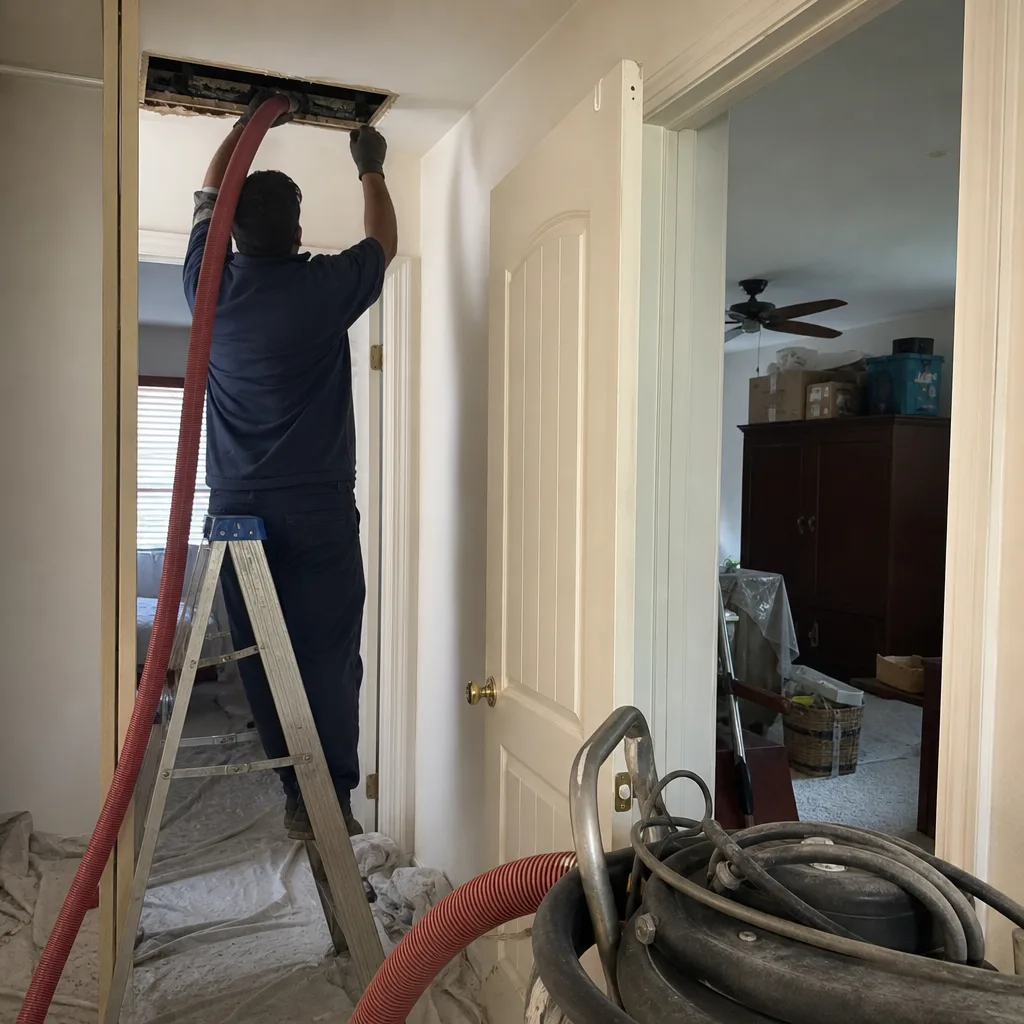 Before
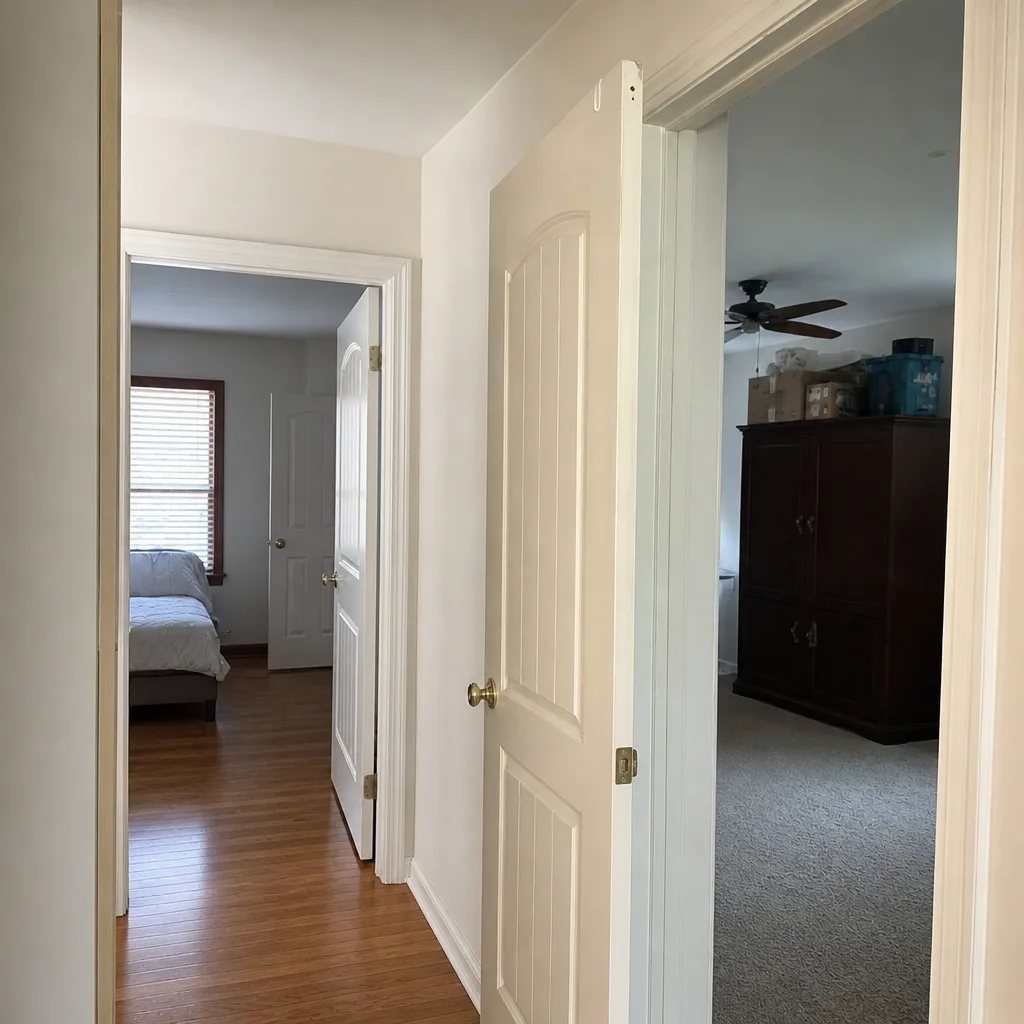 After
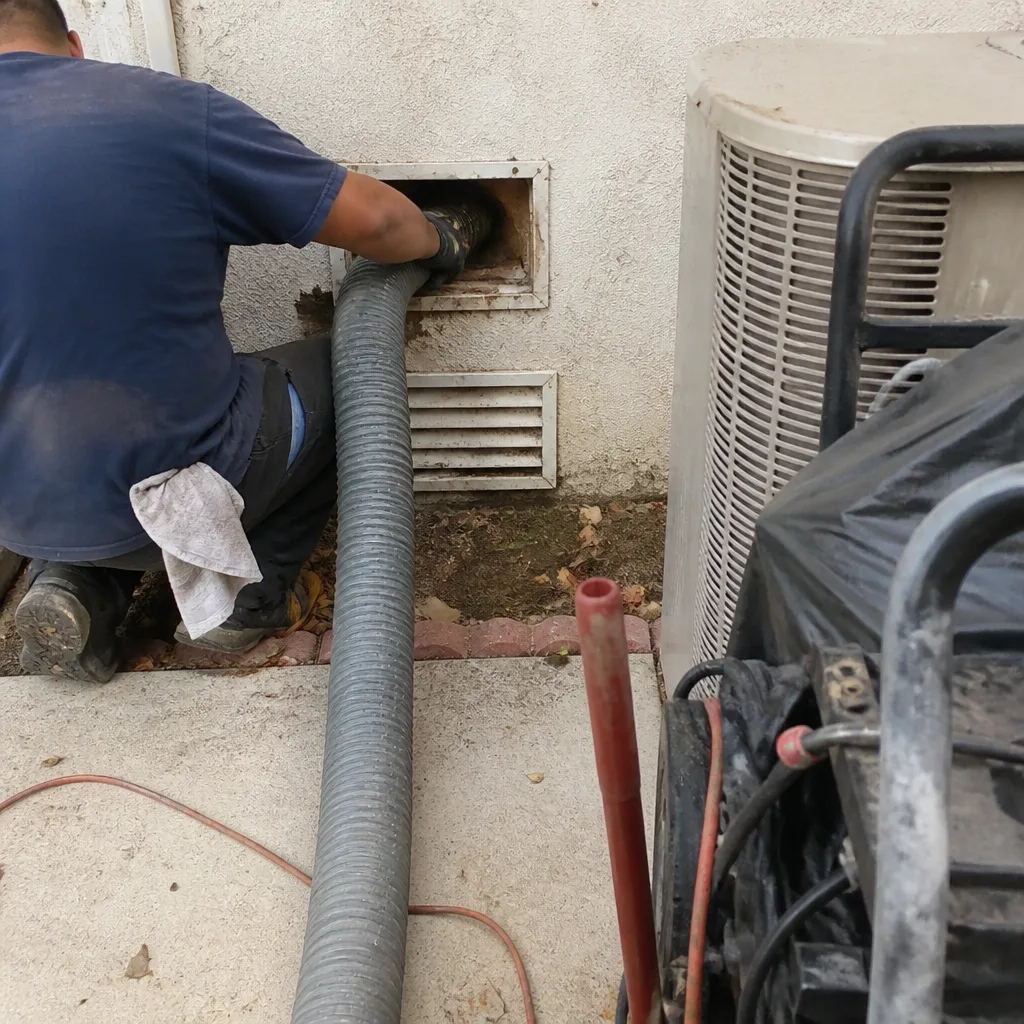 Before
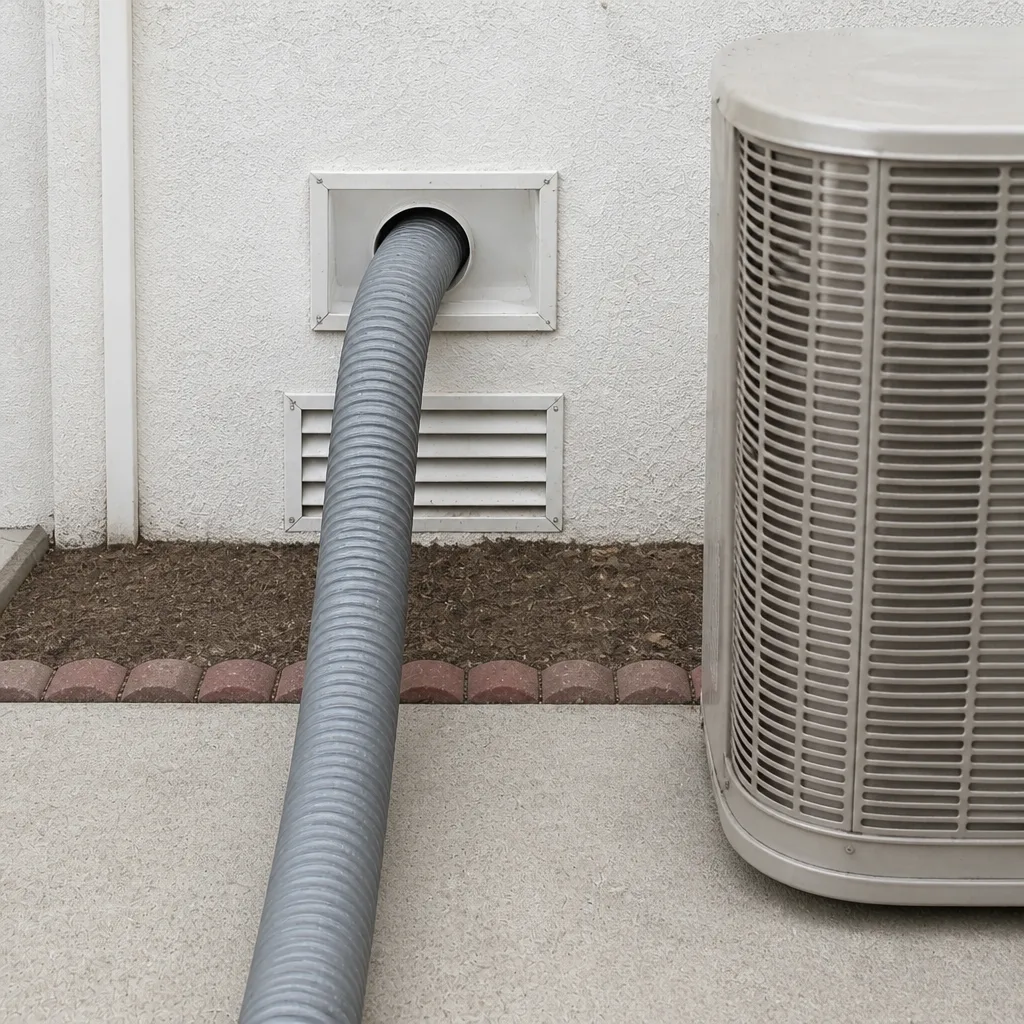 After
When to Call a Professional
Some problems signal that a seasonal cleaning won’t be enough – they need real inspection and equipment. Call us when you notice any of the following:
- Visible ash, soot, or fine grit on supply diffusers after a Santa Ana season.
- A persistent musty or smoky smell that a filter change doesn’t clear.
- Visible dust trails at register edges or around the air handler.
- The system has never been fully cleaned, or you’ve recently renovated or moved in.
- Dryer performance has slowed or lint is visible around the vent connection.
Air Duct Cleaning Anaheim Hills offers free estimates in Anaheim Hills – call (855) 526-8990. We answer 24/7. Fast dispatch from 7am to 7pm, Sunday through Friday. Our technicians have up to 13 years of experience and use professional-grade Rotobrush and Nikro equipment backed by Abatement Technologies air-scrubbing systems so the cleaning is genuinely done, not just scheduled.
Frequently Asked Questions
Most Anaheim Hills homes do well with a professional cleaning once a year, scheduled right after Santa Ana season (December through January) rather than in spring. Homes with pets, allergy concerns, or a recent renovation should consider a second check after pollen peak in March or April. Call (855) 526-8990 for an exact quote – estimates are free.
Anaheim Hills’ foothills setting and wind pattern produce a heavier ash and pollen surge than the coastal parts of the county, and there’s no steady onshore moisture to settle airborne dust. That means finer, more mobile particulate reaches your return ducts, and cleaning urgency is higher after a Santa Ana event.
Pricing is per job, not per vent, and is set by the written estimate after we see the system – a single-zone home and a two-story system with a long trunk aren’t the same job. We give one flat price per system agreed before work starts, so there’s no coupon price that becomes a larger invoice on site. Call (855) 526-8990 for a free estimate.
Budget quotes usually skip the air handler, use consumer-grade equipment, and don’t contain fine ash during cleaning. A proper job uses negative air pressure and containment, cleans the blower and coil, and leaves before-and-after photos. If a price looks dramatically lower, ask what equipment is being used and whether the air handler is included. Call (855) 526-8990 to talk through what a full cleaning covers.
Ask for before-and-after photos of your own registers and duct runs. That’s how you verify, and it’s how we work – every cleaning includes photos you can log next to your filter replacement dates. Call (855) 526-8990 to book an estimate.
Cleaning alone doesn’t close leaks. If the ducts have loose joints or gaps, ash and dust re-enter quickly and conditioned air escapes. If a cleaning inspection turns up leak paths, duct repair and sealing is the right follow-through, and it’s a service we handle. Call (855) 526-8990 to find out whether your system needs it.
The Bottom Line
Anaheim Hills doesn’t run four seasons; it runs three duct stress windows (pre-summer May, post-Santa Ana December-January, and post-pollen March-April), each depositing a different contaminant load. The single most valuable change you can make is to schedule professional cleaning after Santa Ana season rather than in spring, and to inspect and adjust filtration around each window. Do the homeowner tasks you reasonably can (filter, register wipe-down, photo log), and call a professional when ash, odor, or heavy buildup shows up. Air Duct Cleaning Anaheim Hills handles cleaning, dryer vent, HVAC, repair and sealing, and air-quality sanitizing under one company. Written by the team at Air Duct Cleaning Anaheim Hills.
Ready to get your Anaheim Hills system on a seasonal schedule? Call (855) 526-8990 for a free estimate. We answer 24/7. Fast dispatch from 7am to 7pm, Sunday through Friday.